Cart
0
You may also like
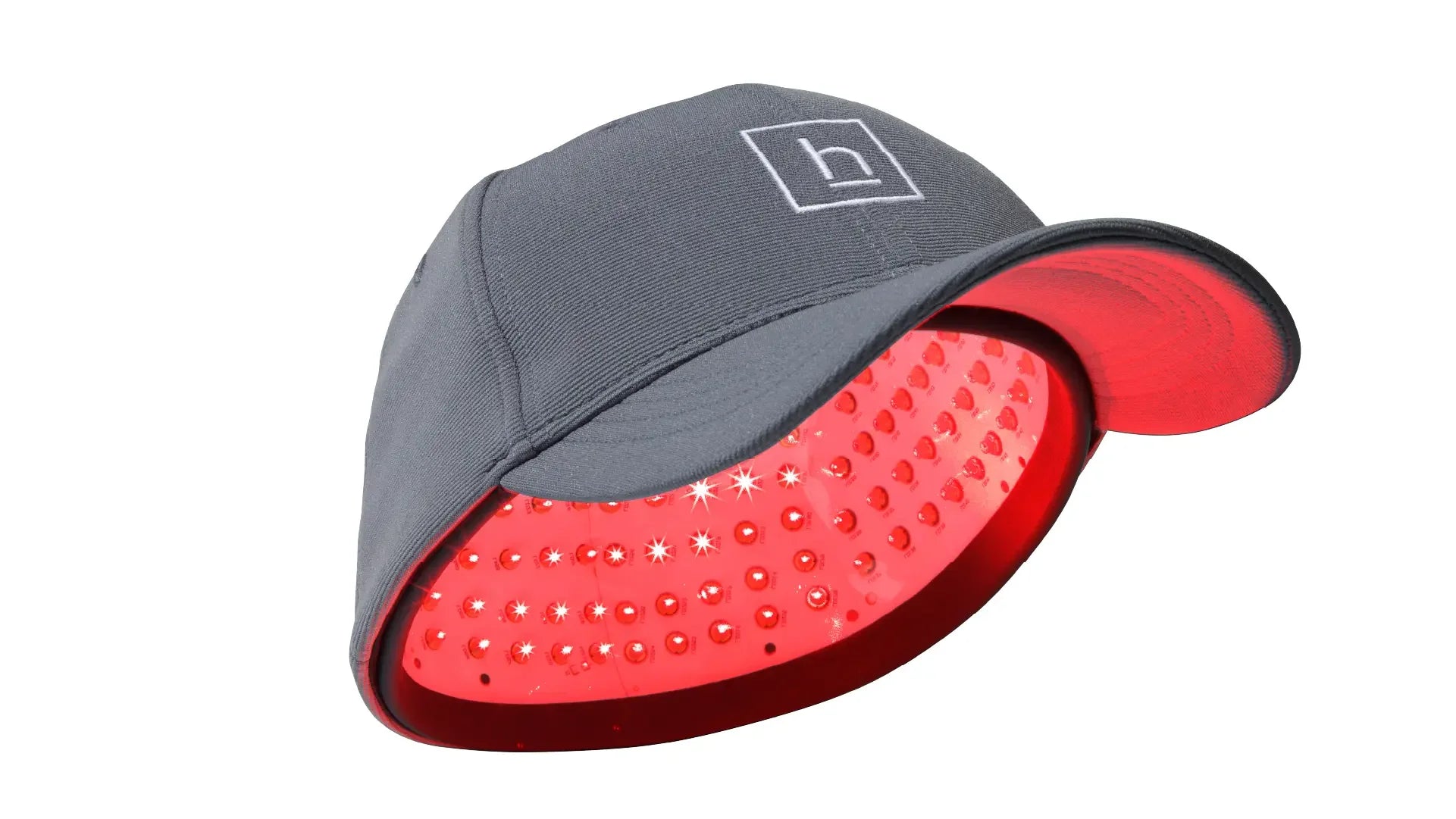
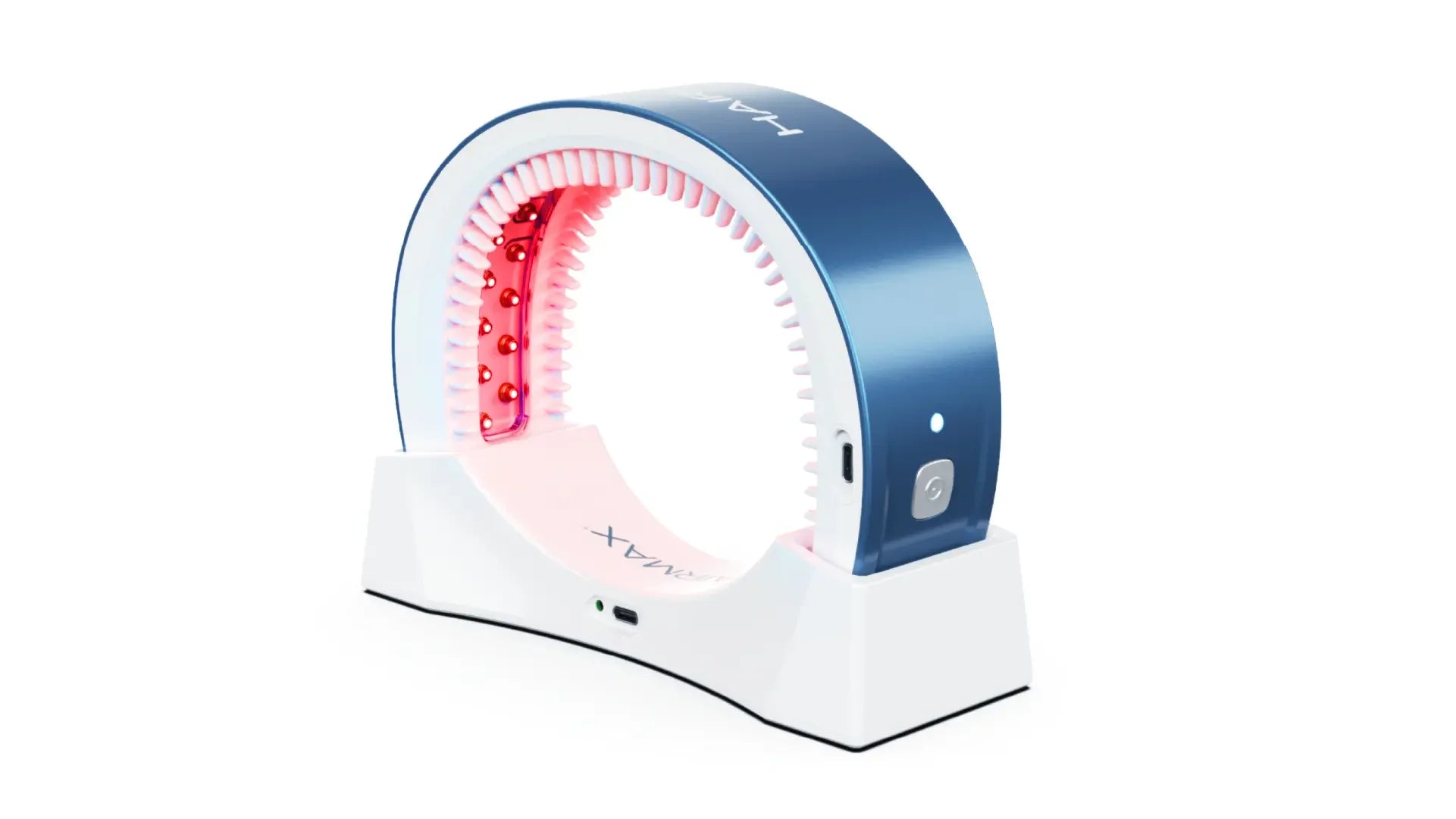
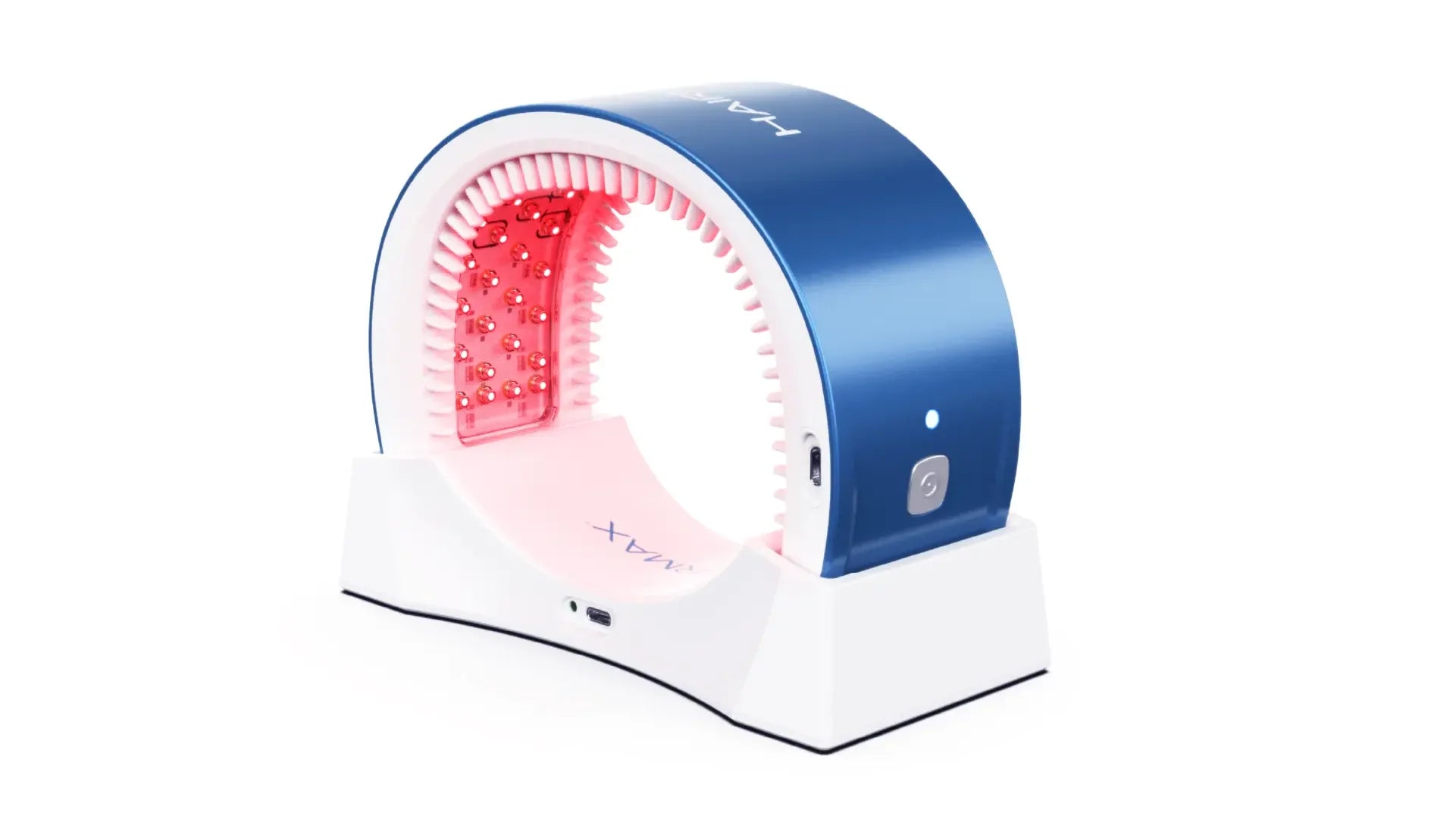
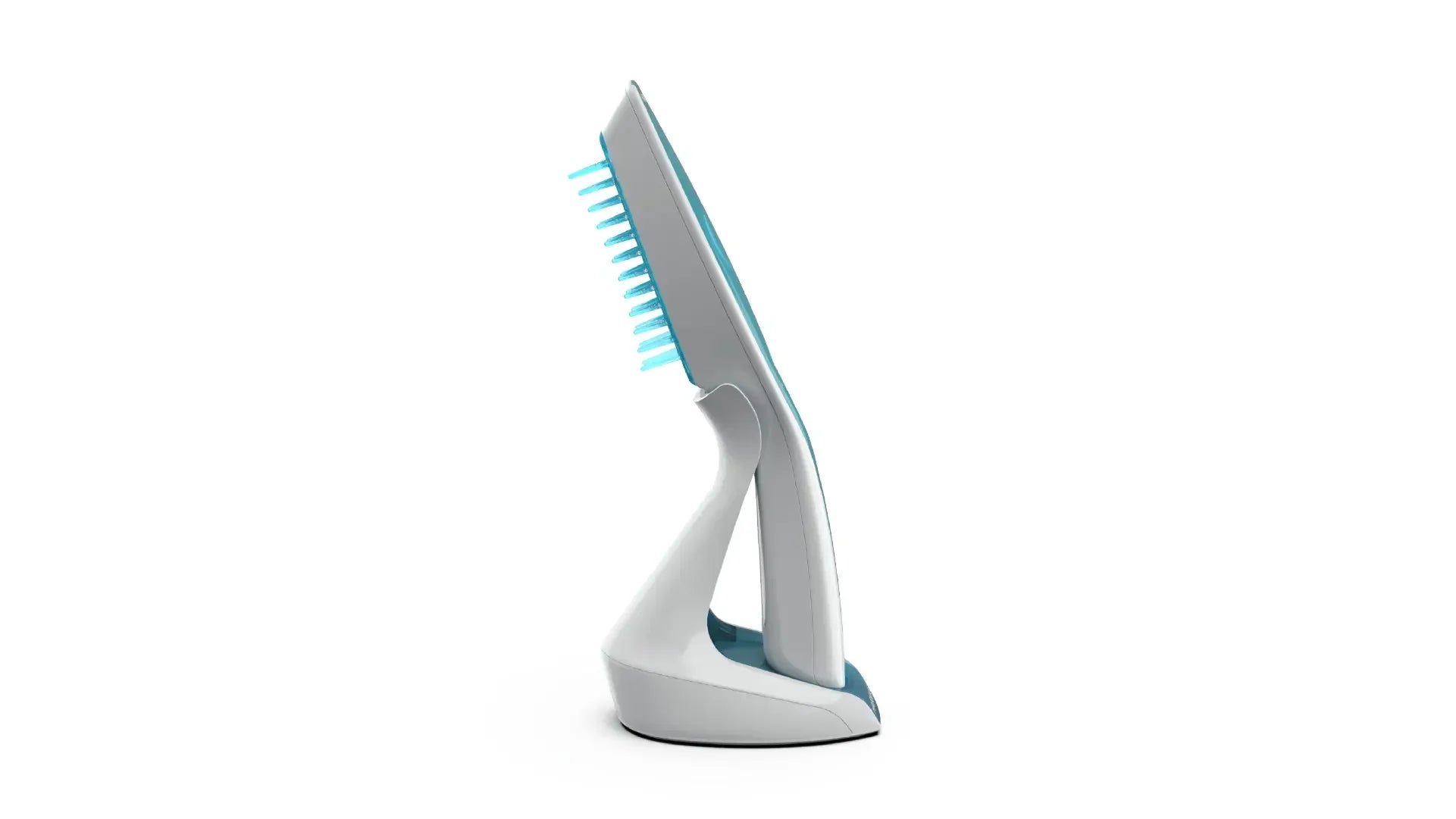


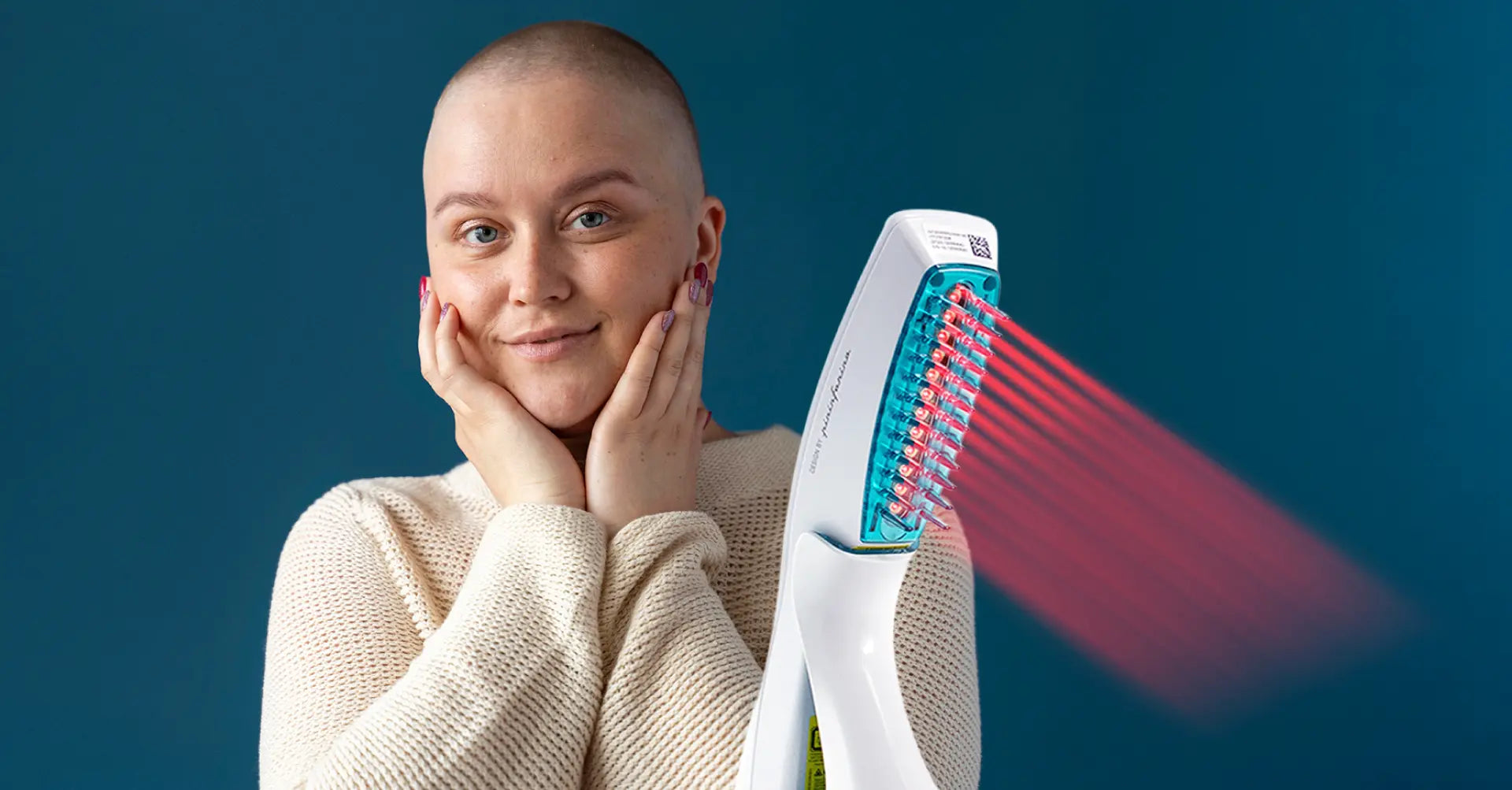
Chemotherapy-Induced Alopecia (CIA) is one of the most distressing physical and psychological side effects for cancer patients. It occurs because chemotherapy drugs destroy rapidly dividing cells, including hair follicle cells. Currently, there are no effective treatments that can prevent or accelerate hair regrowth after CIA. This study aims to evaluate whether low-level laser therapy (LLLT) used in the FDA-cleared HairMax LaserComb® device for androgenetic alopecia can help accelerate hair regrowth in animal models with CIA.
Animals: Long-Evans rats aged 11–13 days
Induction of alopecia: Administration of chemotherapy drugs
Cyclophosphamide (35 mg/kg)
Etoposide (1.5 mg/kg × 3 days)
Or combined Cyclophosphamide + Doxorubicin
Grouping:
Control group (chemotherapy only)
Experimental group (chemotherapy + LLLT for 1 minute/day × 10 days)
Sham laser group (laser off during treatment)
Light characteristics: Wavelength 655 nm (±5%), 9 beams
Evaluation: Observation of external hair regrowth and histological examination
All groups of rats experienced alopecia within 7–10 days after receiving chemotherapy.
The LLLT group had 5 days faster hair regrowth compared to the control and sham groups.
By day 15 after chemotherapy, all rats (100%) in the LLLT group had hair regrowth, while other groups remained bald.
Histological examination revealed:
Thicker skin in rats receiving LLLT
Significantly more hair follicles in the Anagen phase (regrowth phase)
Laser irradiation did not reduce the efficacy of chemotherapy in killing cancer cells.
The incidence of cancer in rats receiving LLLT + chemotherapy was not different from the chemotherapy-only group → indicating that LLLT does not protect cancer cells from the drug's effects.
LLLT stimulates the activity of hair follicle stem cells (keratinocyte stem cells).
Increases ATP production in mitochondria.
Stimulates new capillary formation and blood circulation.
Results in hair follicles entering the Anagen (growth) phase earlier than normal.
Low-level laser therapy can significantly accelerate hair regrowth after chemotherapy in animal models.
It has no impact on the efficacy of chemotherapy drugs.
It demonstrates the potential for LLLT devices, such as the HairMax LaserComb®, to be a new, safe, and non-invasive approach to mitigate the effects of chemotherapy-induced alopecia in cancer patients.
Wikramanayake, T. C., Villasante, A. C., Mauro, L. M., Nouri, K., Schachner, L. A., Perez, C. I., & Jimenez, J. J. (2013). Low-level laser treatment accelerated hair regrowth in a rat model of chemotherapy-induced alopecia (CIA). Lasers in Medical Science, 28(3), 701–706. https://doi.org/10.1007/s10103-012-1139-7


