Cart
0
You may also like
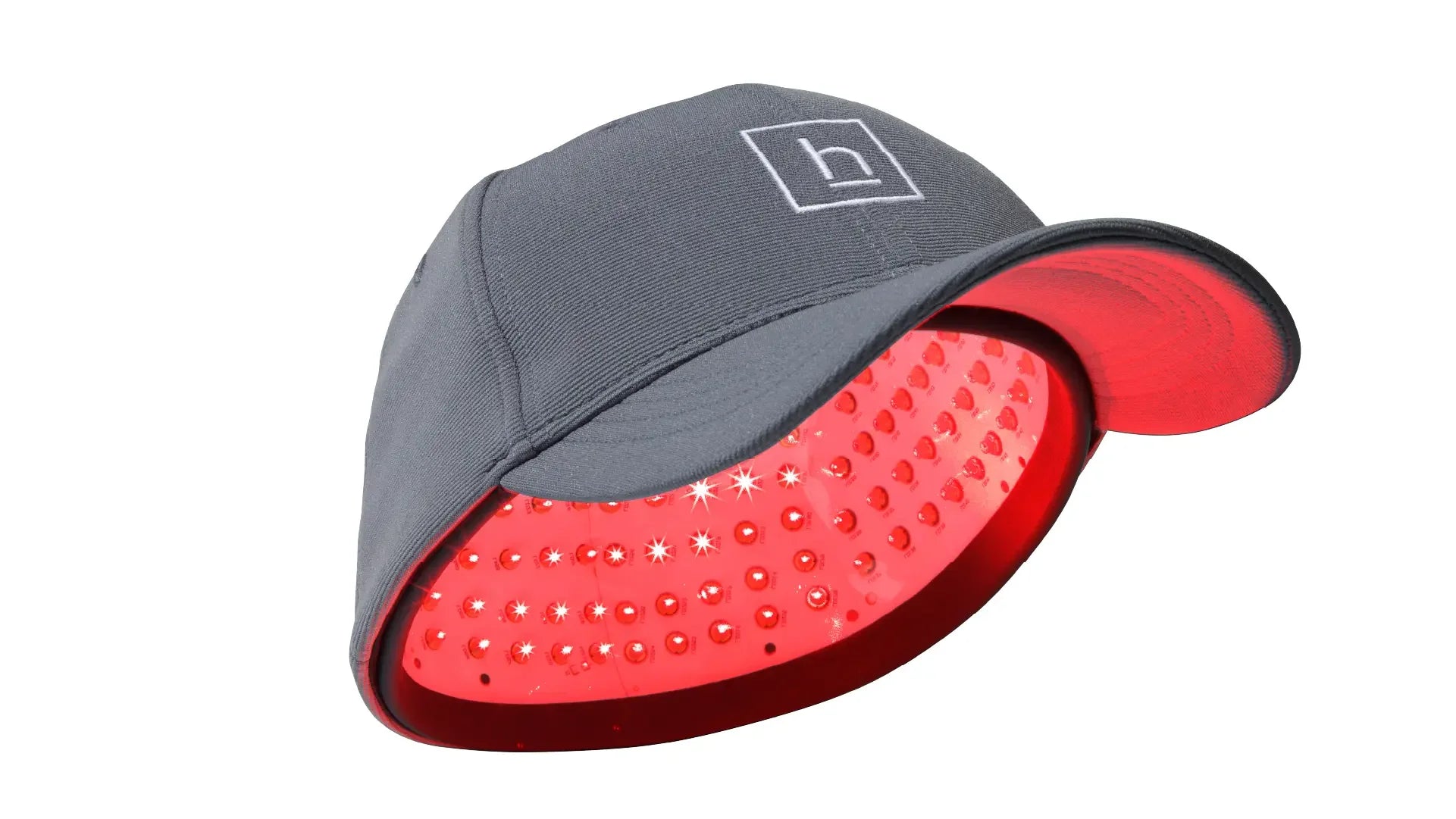
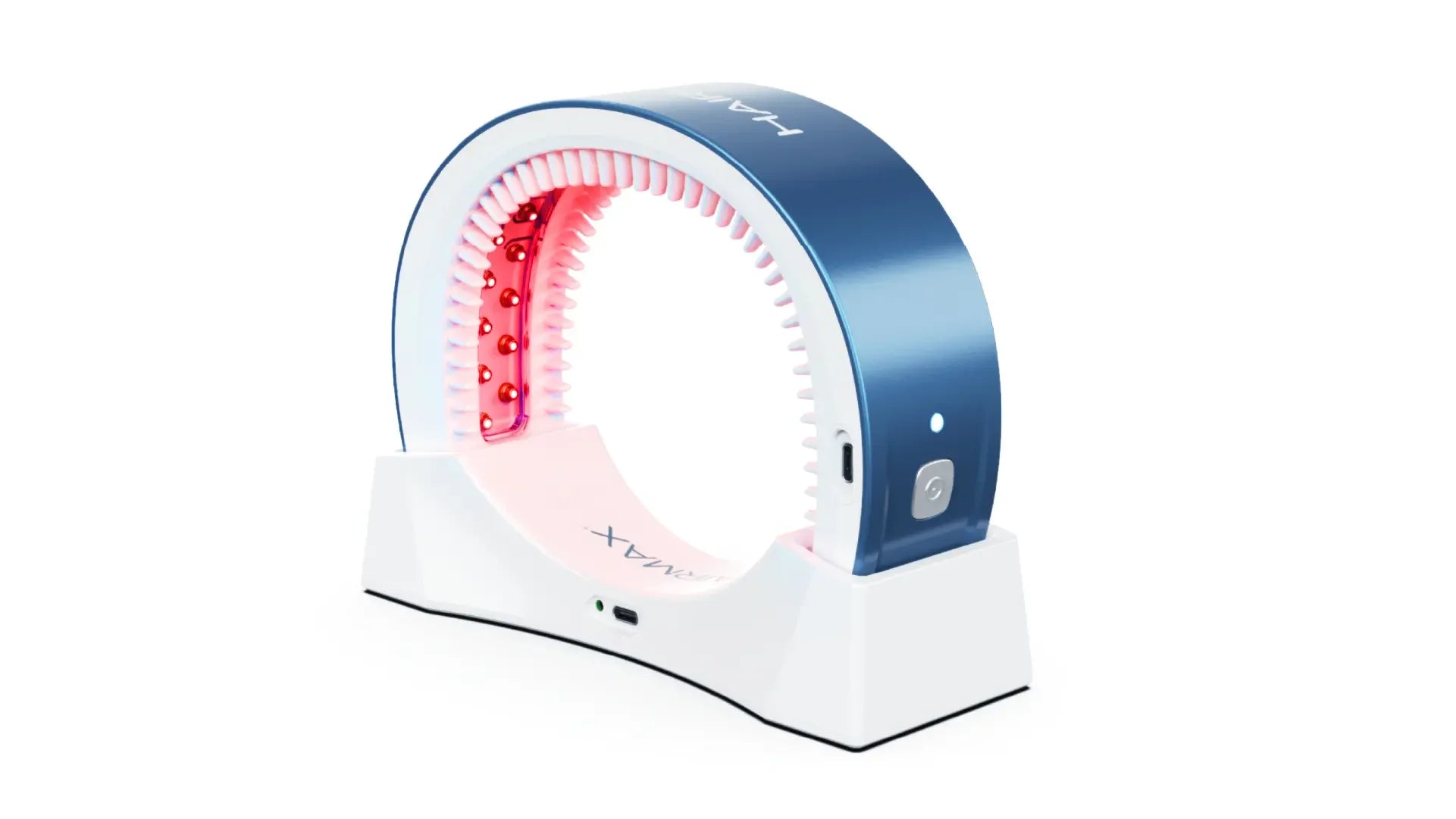
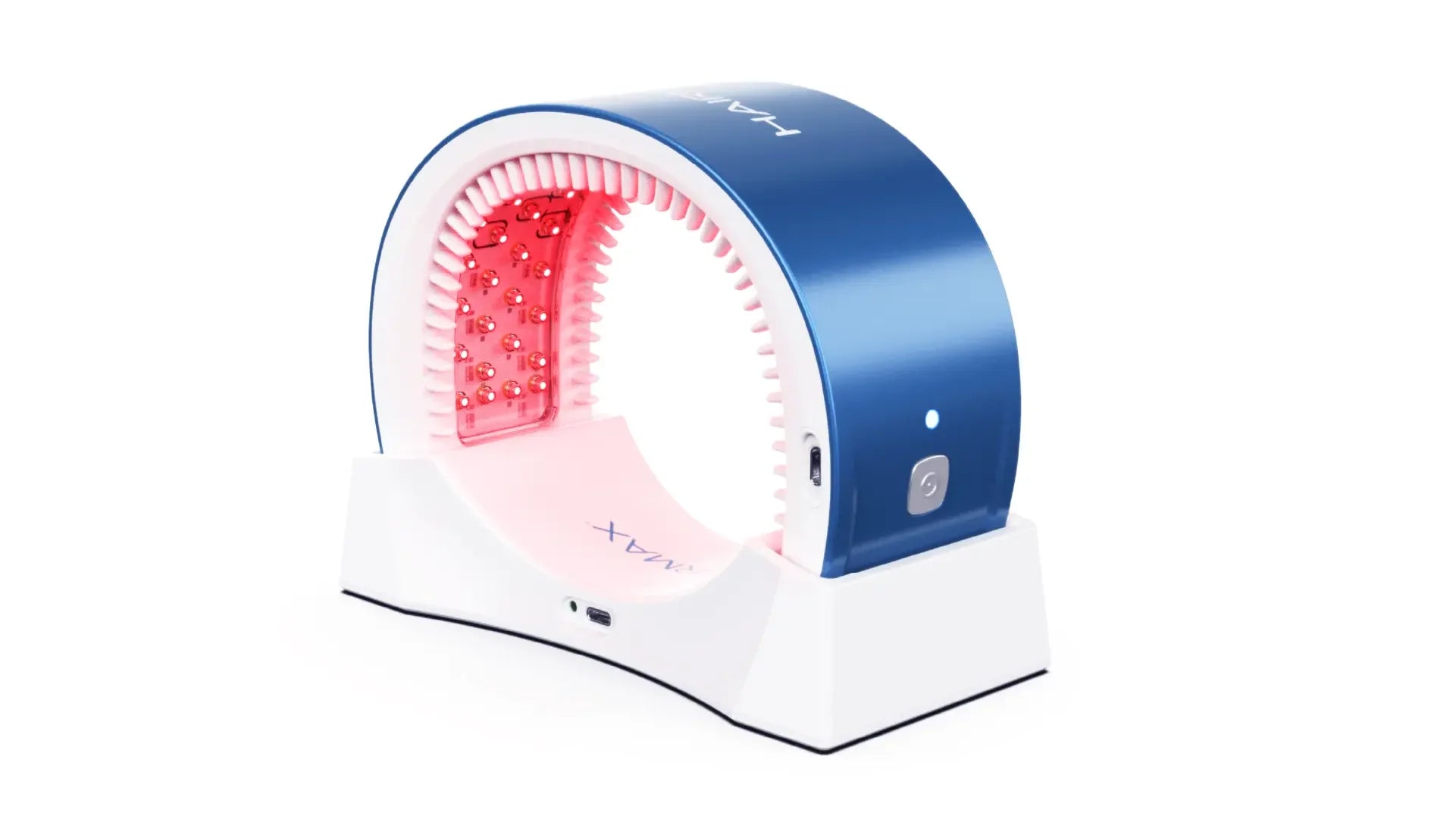
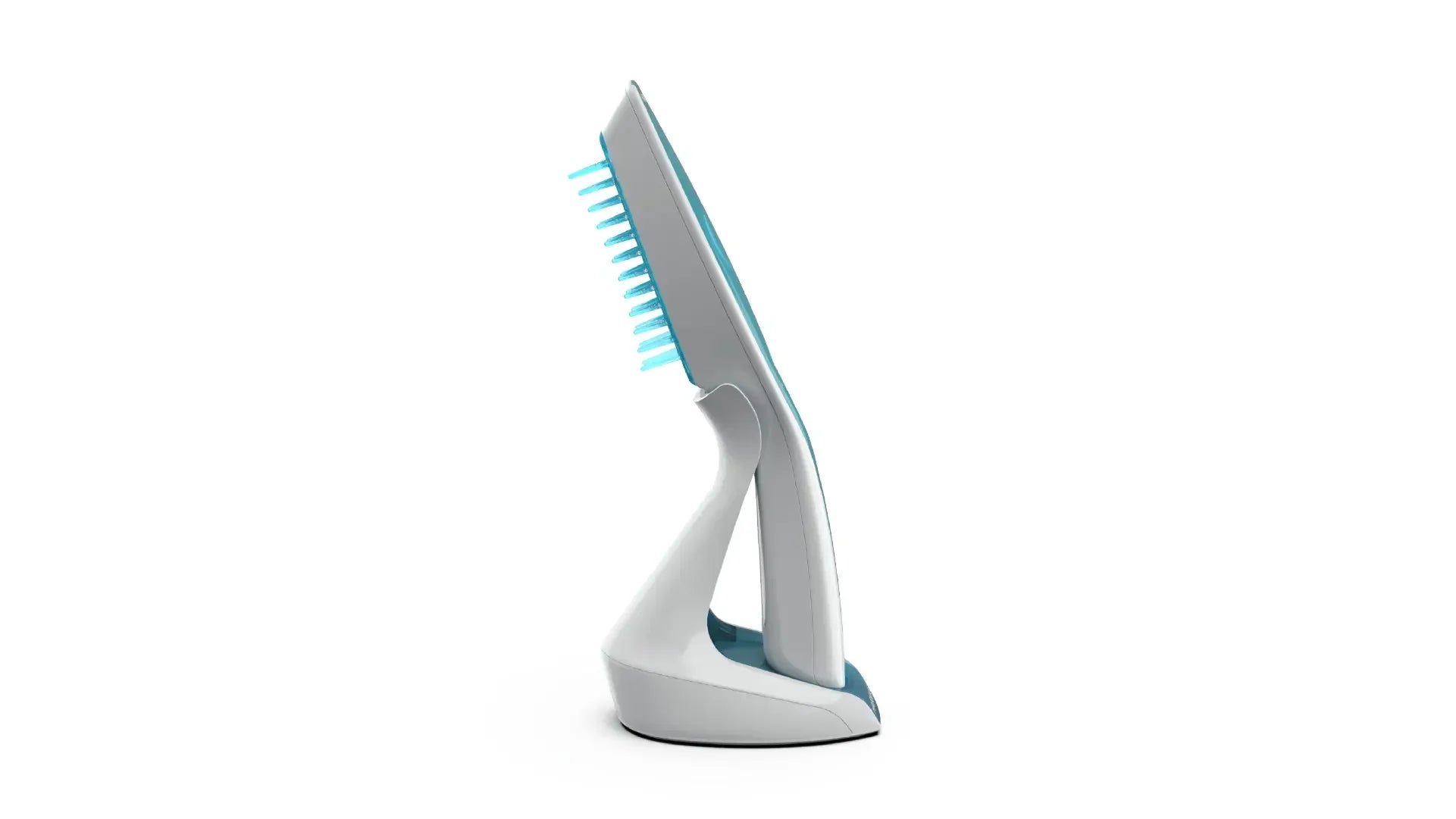


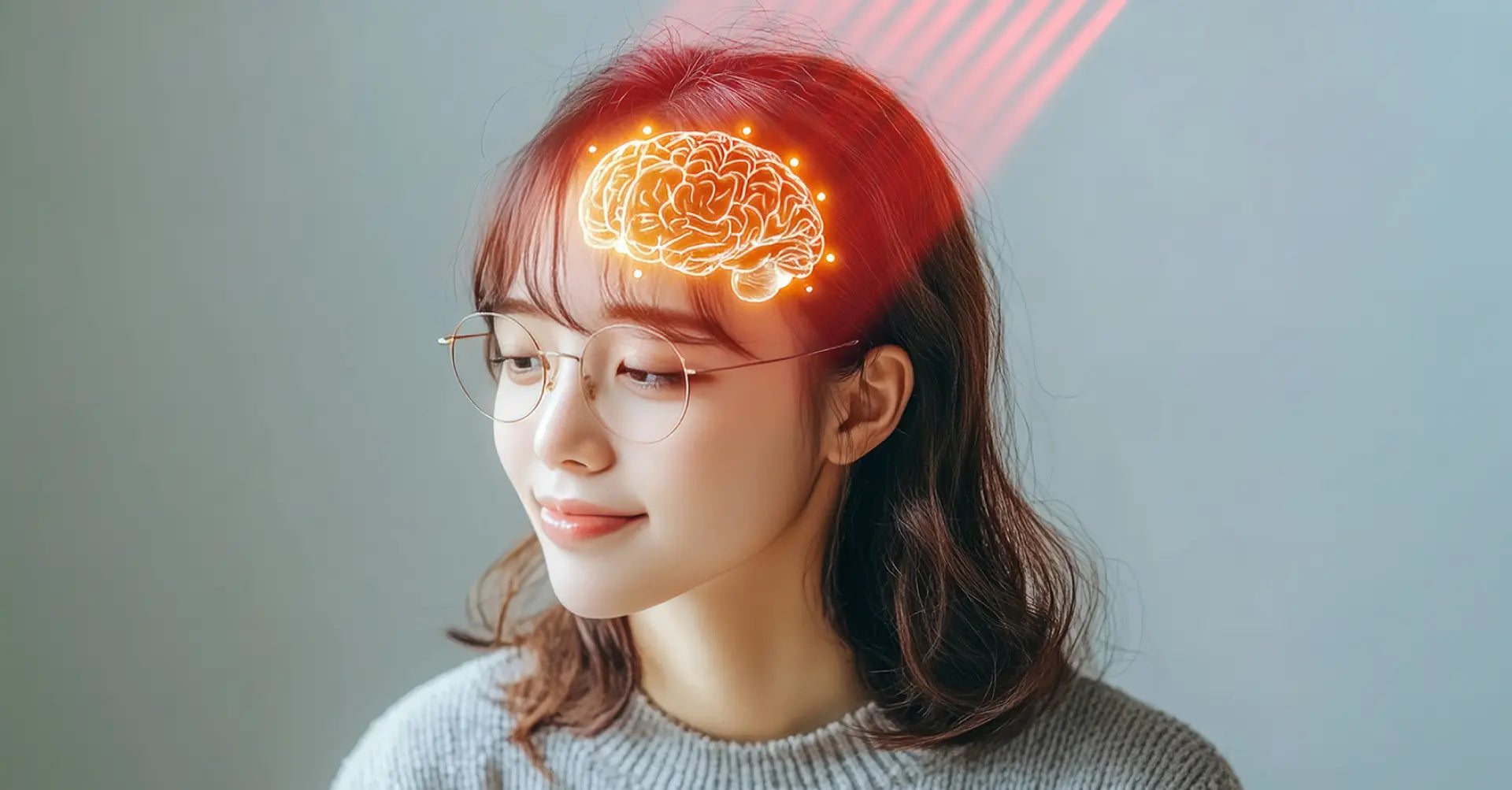
Low-Level Light Therapy (LLLT) is a technology that uses light in the wavelength range of 600–1070 nm to stimulate biological processes at the cellular level, without causing heat or tissue damage. This research focuses on studying the effects of LLLT on the eyes and brain, which are light-sensitive organs with the potential to respond to light stimulation at the molecular level. The aim of this study is to evaluate the biological mechanisms, efficacy, and safety of using LLLT to restore neuronal function and treat central nervous system and visual disorders.
This research is a Systematic Review, collecting data from clinical trials and laboratory experiments related to the use of LLLT on the eyes and brain in humans and experimental animals.
The scope of the study is divided into two main parts:
Ocular LLLT: Uses light at 670 nm to stimulate retinal function and reduce photoreceptor degeneration.
Transcranial LLLT: Uses near-infrared light (810–1070 nm) shone through the skull to stimulate the brain in patients with traumatic brain injury, stroke, and dementia.
🔹 Effects on the Eyes
670 nm light exposure enhances mitochondrial function in retinal cells.
Reduces oxidative stress and decreases photoreceptor cell death.
Visual recovery was observed in animal models with retinal degeneration.
🔹 Effects on the Brain
Near-infrared light (810–1070 nm) can partially penetrate the skull and stimulate cortical neurons.
Increases cerebral blood flow and oxygenation.
Reported to aid recovery in patients after Traumatic Brain Injury and Stroke.
Some studies have found that LLLT helps alleviate depression and improve concentration.
Low-level light stimulation works through the following key mechanisms:
Activation of Cytochrome c oxidase enzyme in mitochondria → increased energy production (ATP).
Anti-inflammatory effect by reducing cytokine production.
Stimulation of neurogenesis and angiogenesis.
Anti-apoptotic effect on neurons.
Based on evidence from several studies, it was found that:
LLLT is a highly potential technique for treating eye and brain disorders.
It has high safety if used at appropriate energy levels.
Can be used in conjunction with other treatments without severe side effects.
However, further clinical studies are needed to determine the optimal dosimetry and frequency of treatment for the best results in humans.
Hamblin, M. R. (2016). Low-level light therapy of the eye and brain. Eye and Brain, 8, 23–37. https://doi.org/10.2147/EB.S101472


