Cart
0
คุณอาจจะชอบ
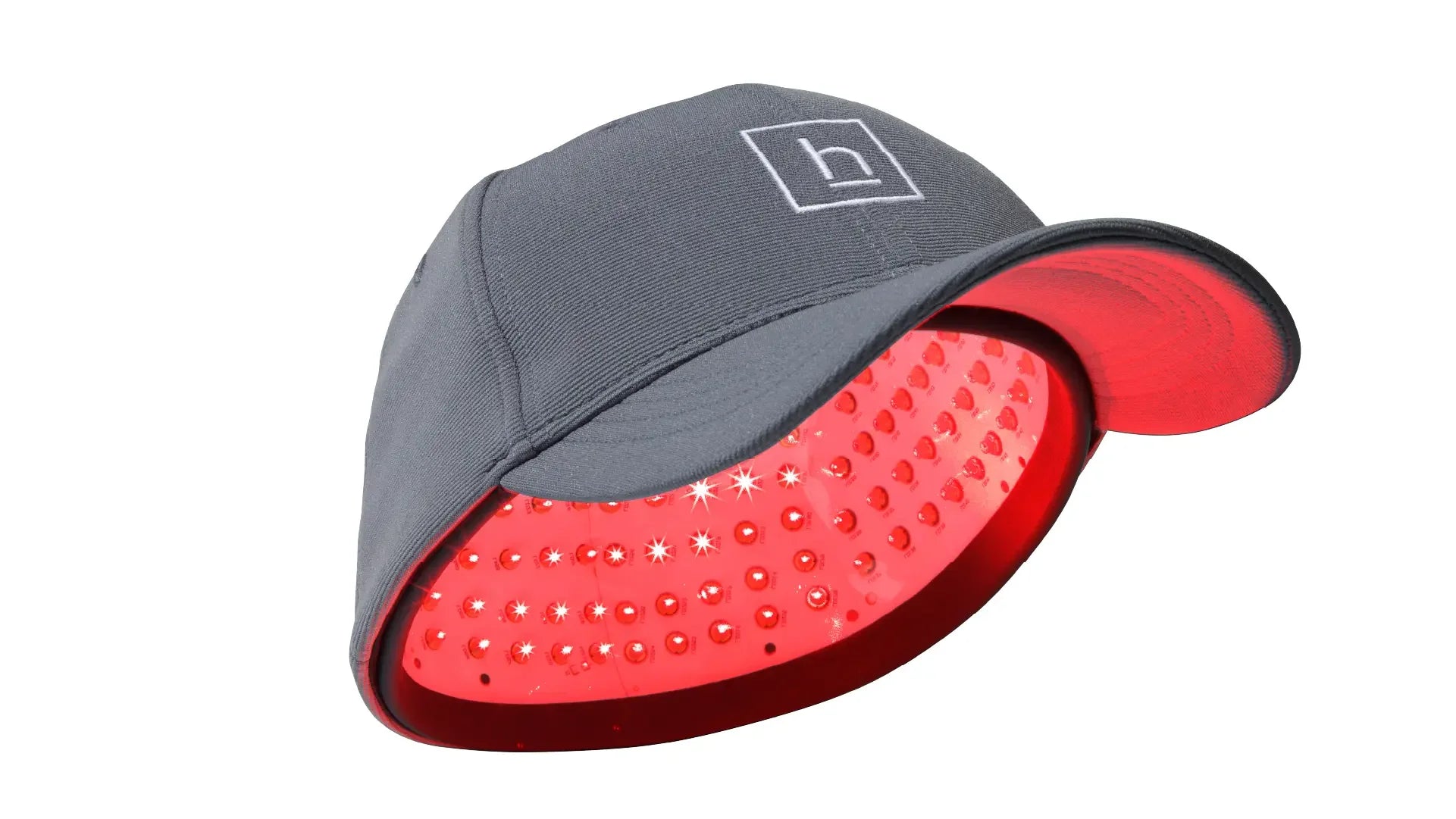
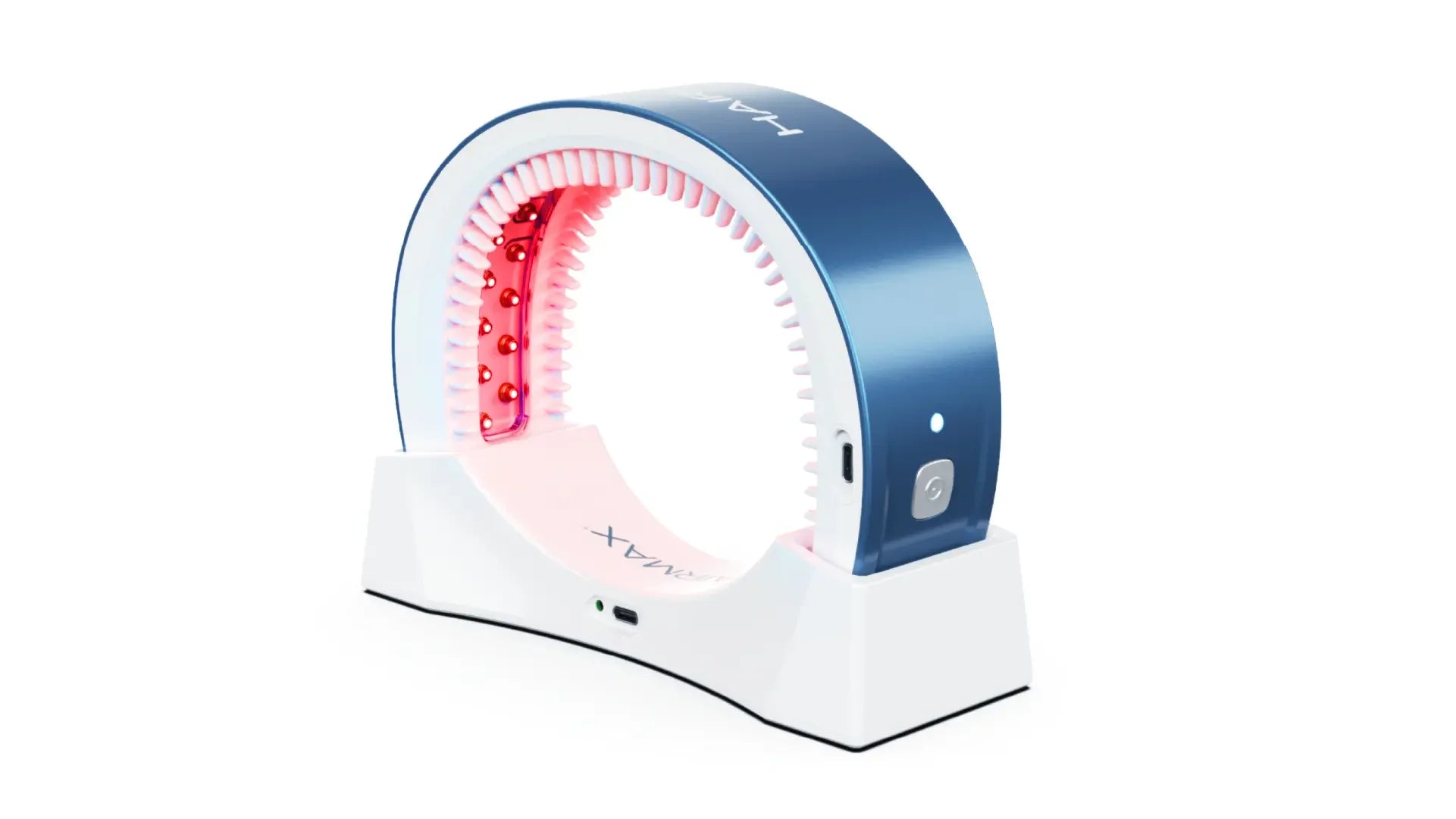
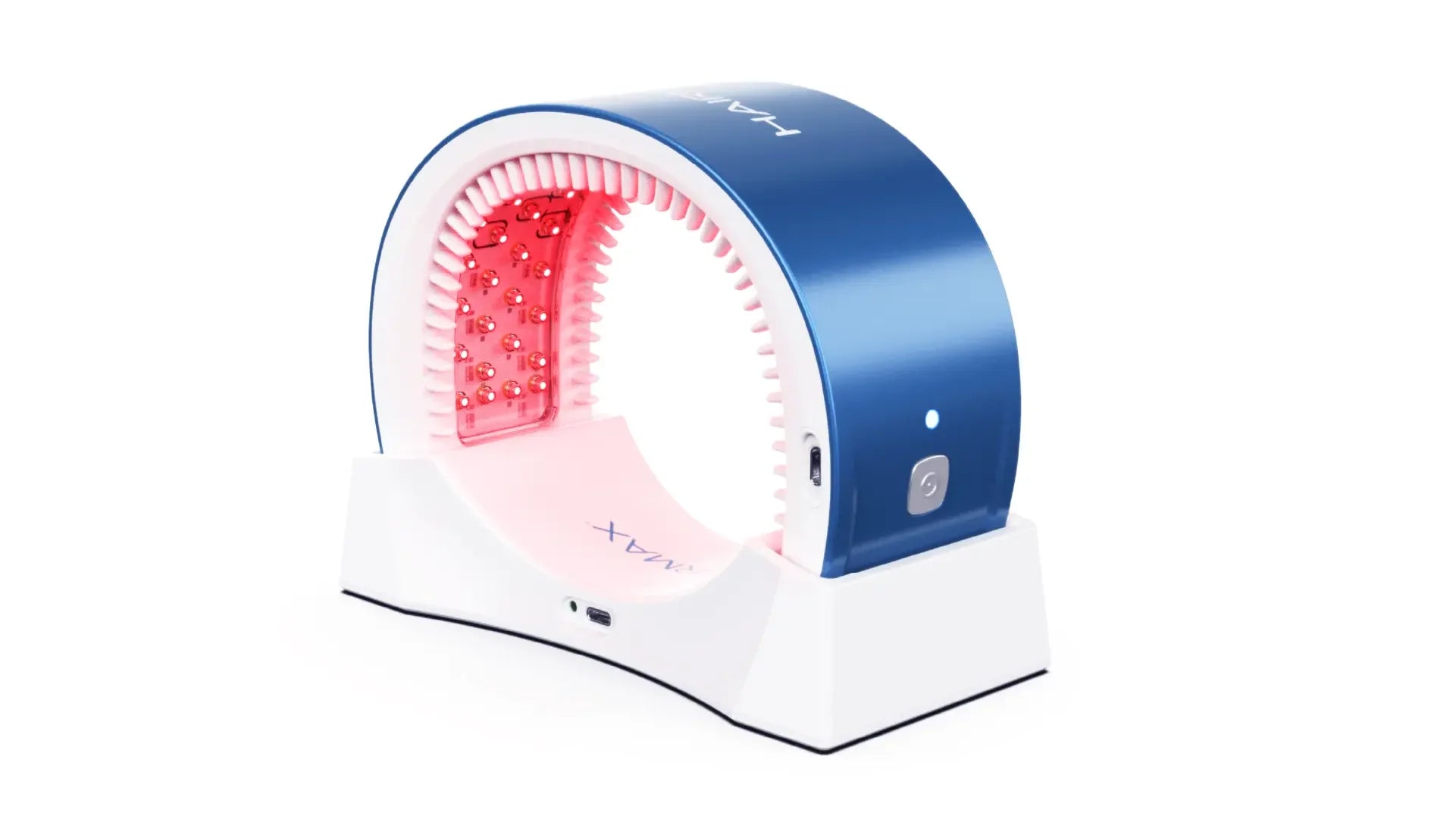
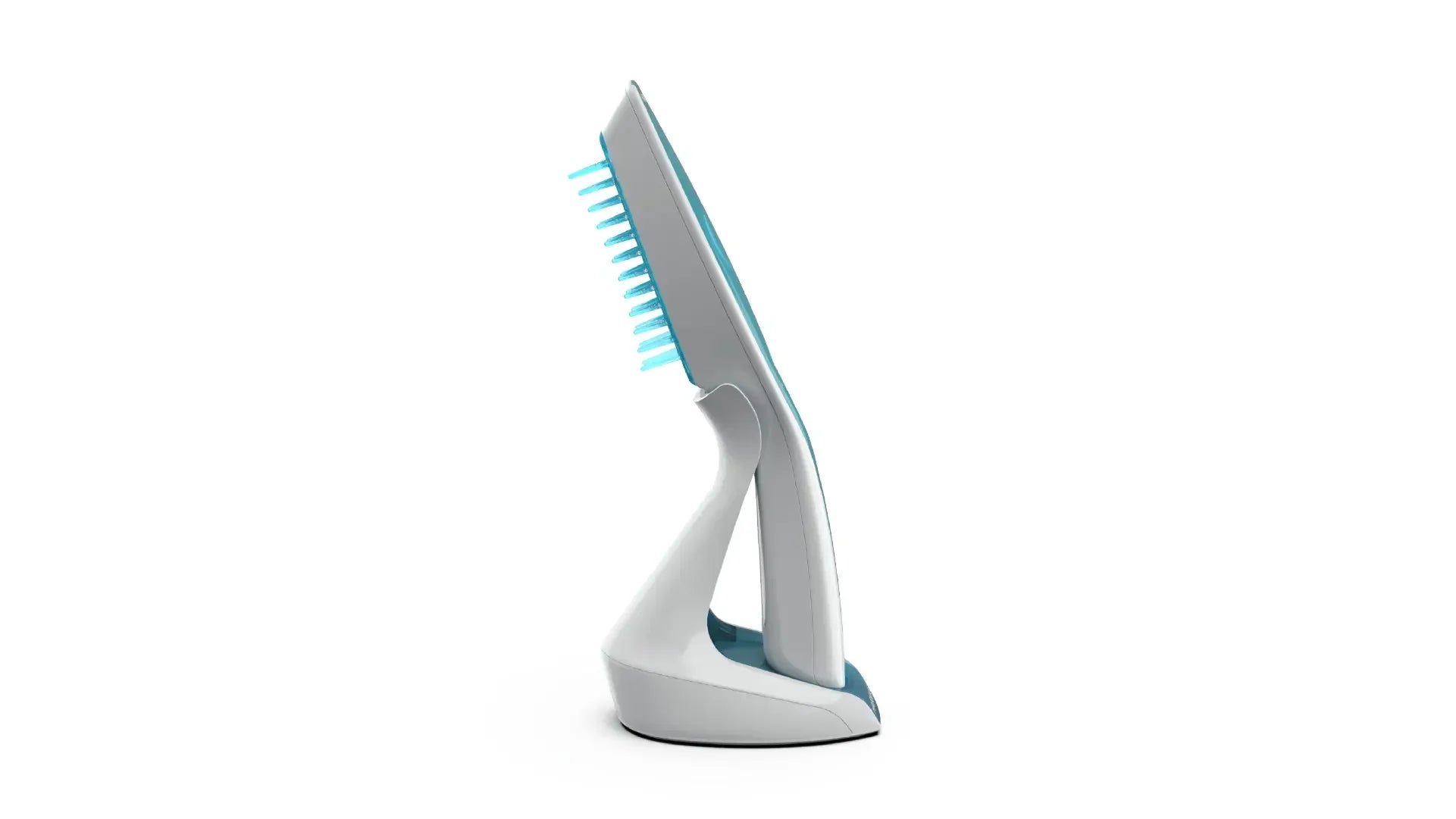


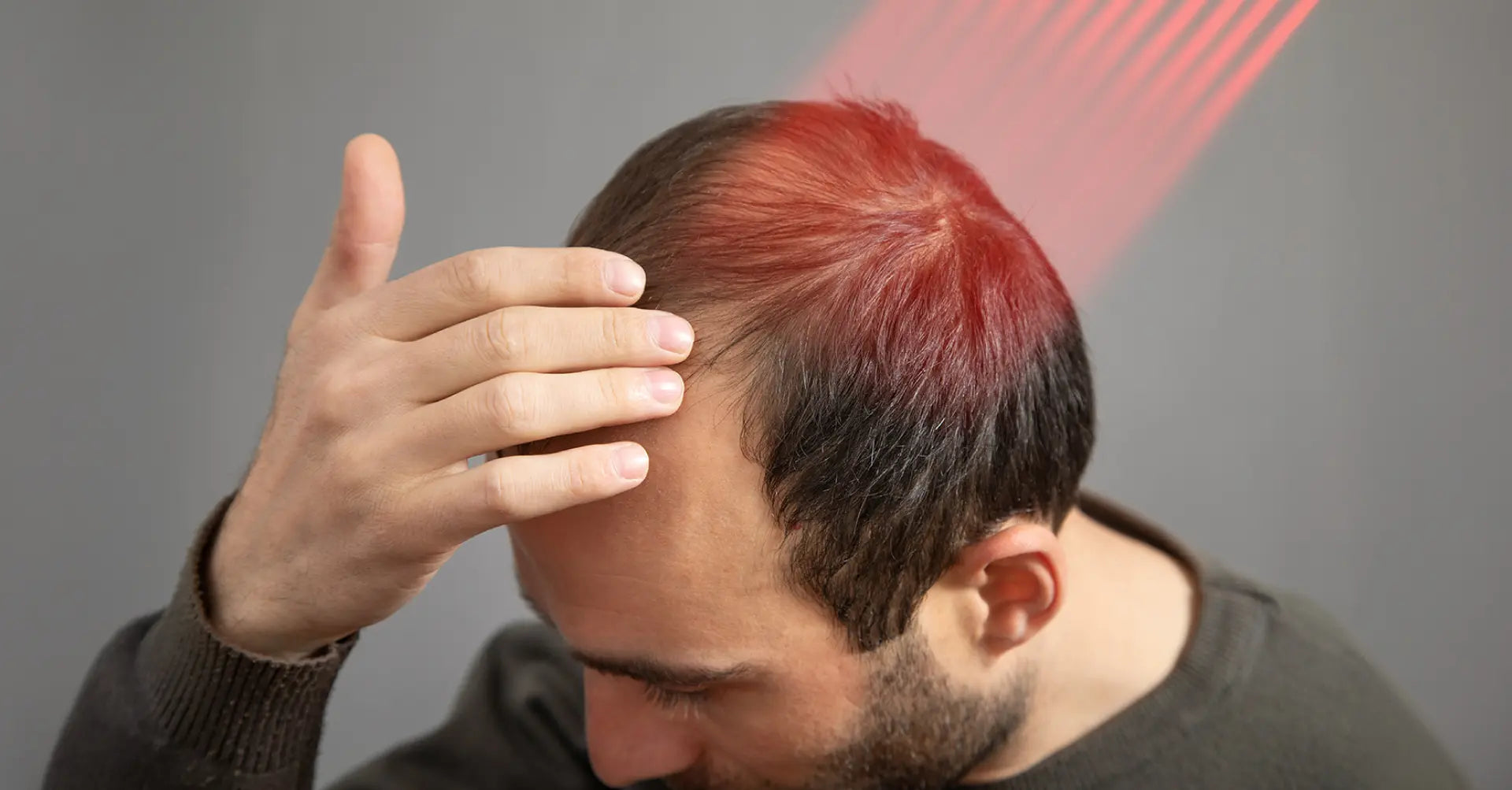
Low-Level Laser Therapy (LLLT), or “Photobiomodulation,” is a technology that uses low-energy light (red light 630–670 nm or near-infrared 780–850 nm) to stimulate cellular repair processes without generating heat. The application of LLLT in hair treatment began with the accidental observation in 1967 that experimental mice receiving laser treatment for wounds experienced “faster hair regrowth.” This work compiles and reviews all scientific evidence up to 2014 regarding the mechanisms and efficacy of LLLT in treating androgenetic alopecia (AGA).
The primary target of LLLT is the enzyme Cytochrome c oxidase (CCO) within the mitochondria, which absorbs light energy at wavelengths of 600–1100 nm.
CCO activation results in:
Increased production of ATP (adenosine triphosphate), the cell's energy source.
Increased blood circulation and oxygen supply to the hair follicles.
Stimulation of gene expression related to hair growth, such as VEGF, β-catenin, and HGF.
Prolonged anagen phase (growth phase) and reduced hair follicle miniaturization.
These mechanisms collectively promote natural hair follicle recovery and regrowth.
This article summarizes evidence from 6 key clinical studies, including those by Leavitt et al. (2009) and Jimenez et al. (2014) using the HairMax LaserComb®, which found that:
LLLT used 3 times per week for 16–26 weeks → increased average hair count by +15 to +25 hairs/cm².
Results observed in both males and females.
Side effects were minimal and mild, such as slight itching or warmth of the scalp.
Best response in patients with mild to moderate hair thinning.
LLLT can be used in several contexts, including:
Monotherapy — for individuals who do not wish to use chemical medications.
Combination Therapy — such as with Minoxidil or Finasteride to enhance efficacy.
Post-transplant Therapy — helps reduce inflammation and stimulate new hair growth.
No serious side effects were found in any studies.
LLLT is a non-thermal, non-invasive, and non-damaging technology for the skin.
The light intensity used in medical applications (3–10 mW/cm²) is safe for both skin and hair follicles.
LLLT is a treatment method with clear mechanistic and clinical evidence.
It can increase hair density and quality in both male and female patients with androgenetic alopecia.
It is highly safe and can be used long-term.
Animal studies also indicate that LLLT stimulates hair growth in chemotherapy-induced alopecia (CIA).
Avci, P., Gupta, G. K., Clark, J., Wikonkal, N., & Hamblin, M. R. (2014). Low-level laser (light) therapy (LLLT) for hair regrowth. Lasers in Surgery and Medicine, 46(2), 144–151. https://doi.org/10.1002/lsm.22170


