Cart
0
You may also like


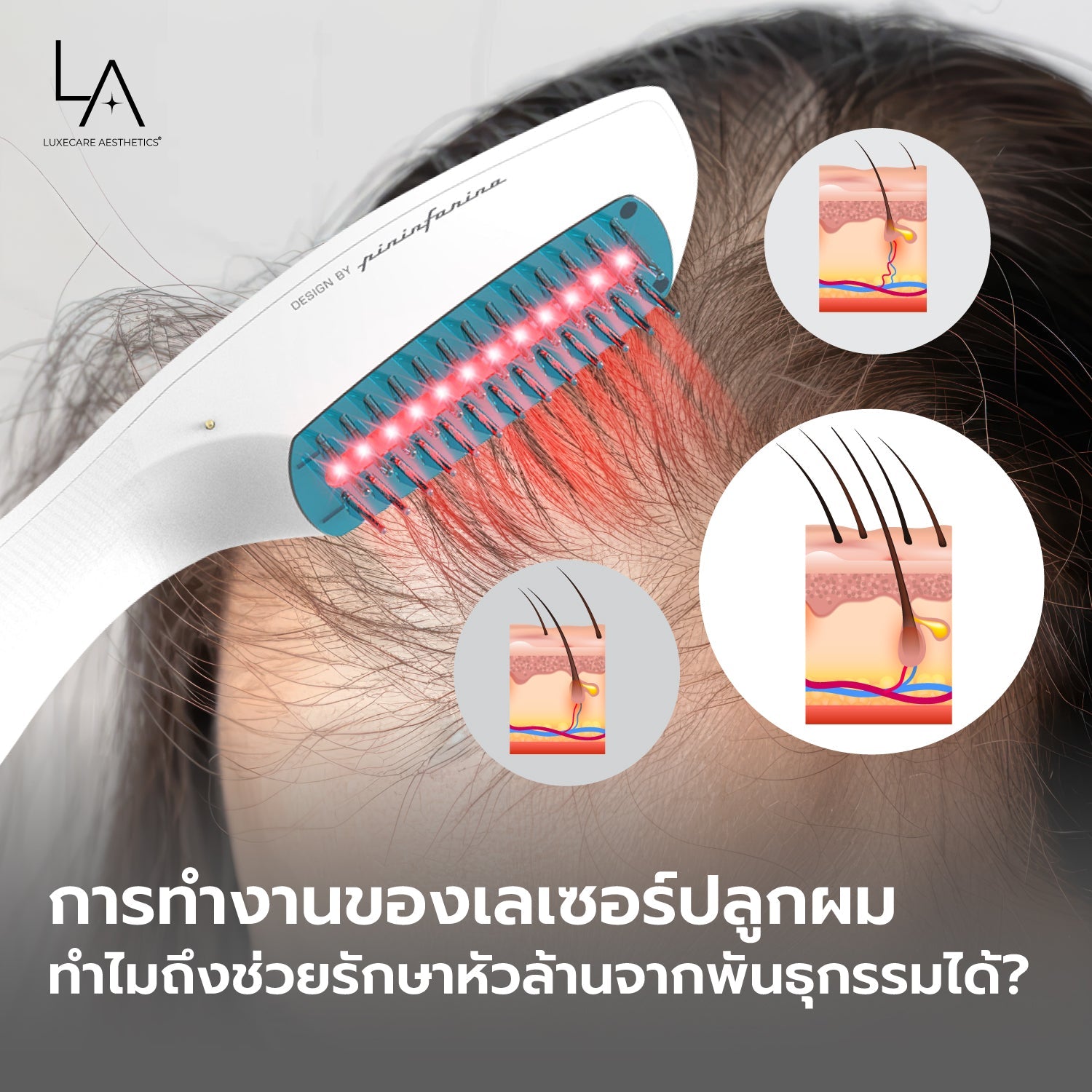
How does LLLT hair growth laser work to treat genetic baldness?
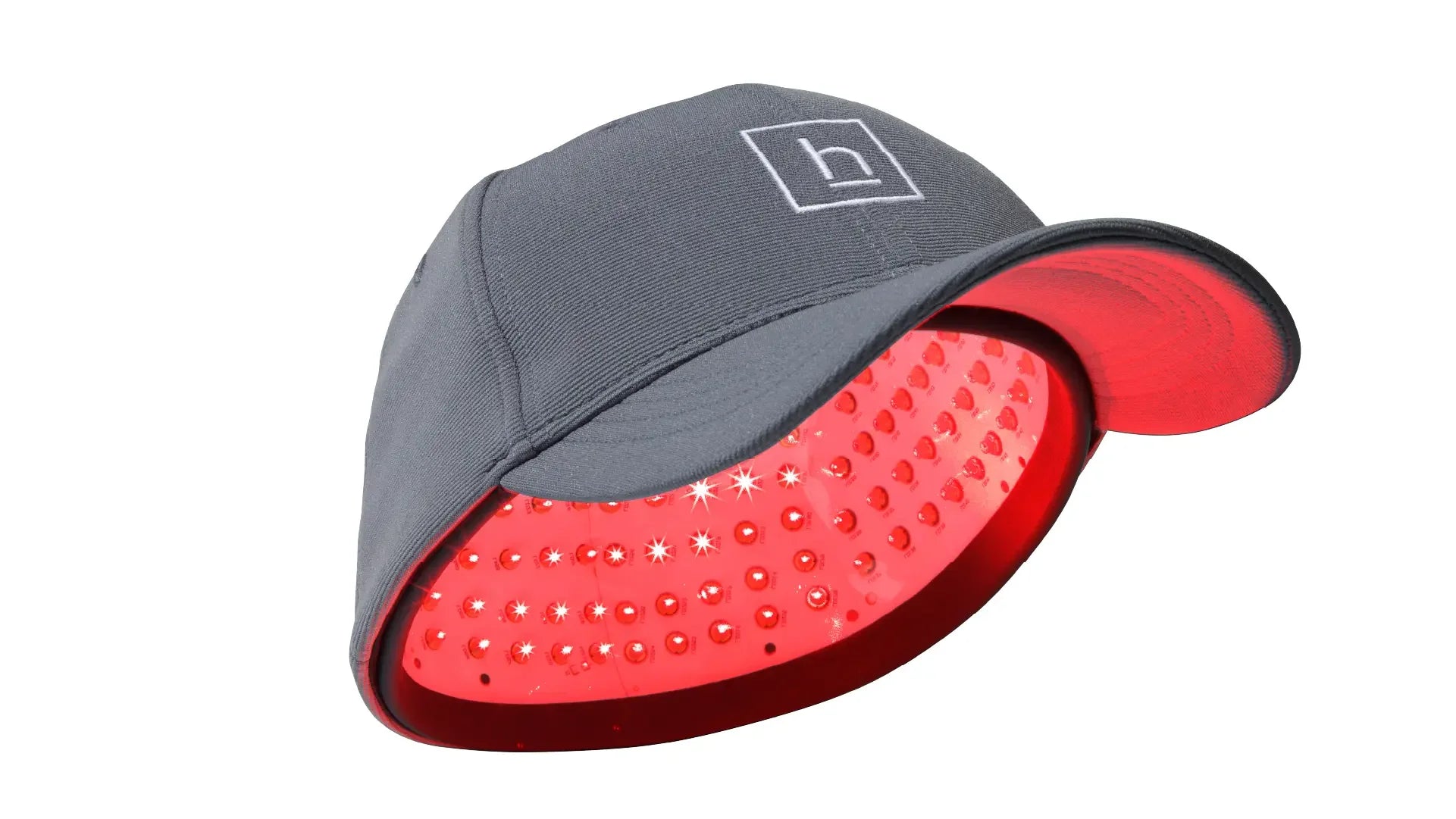
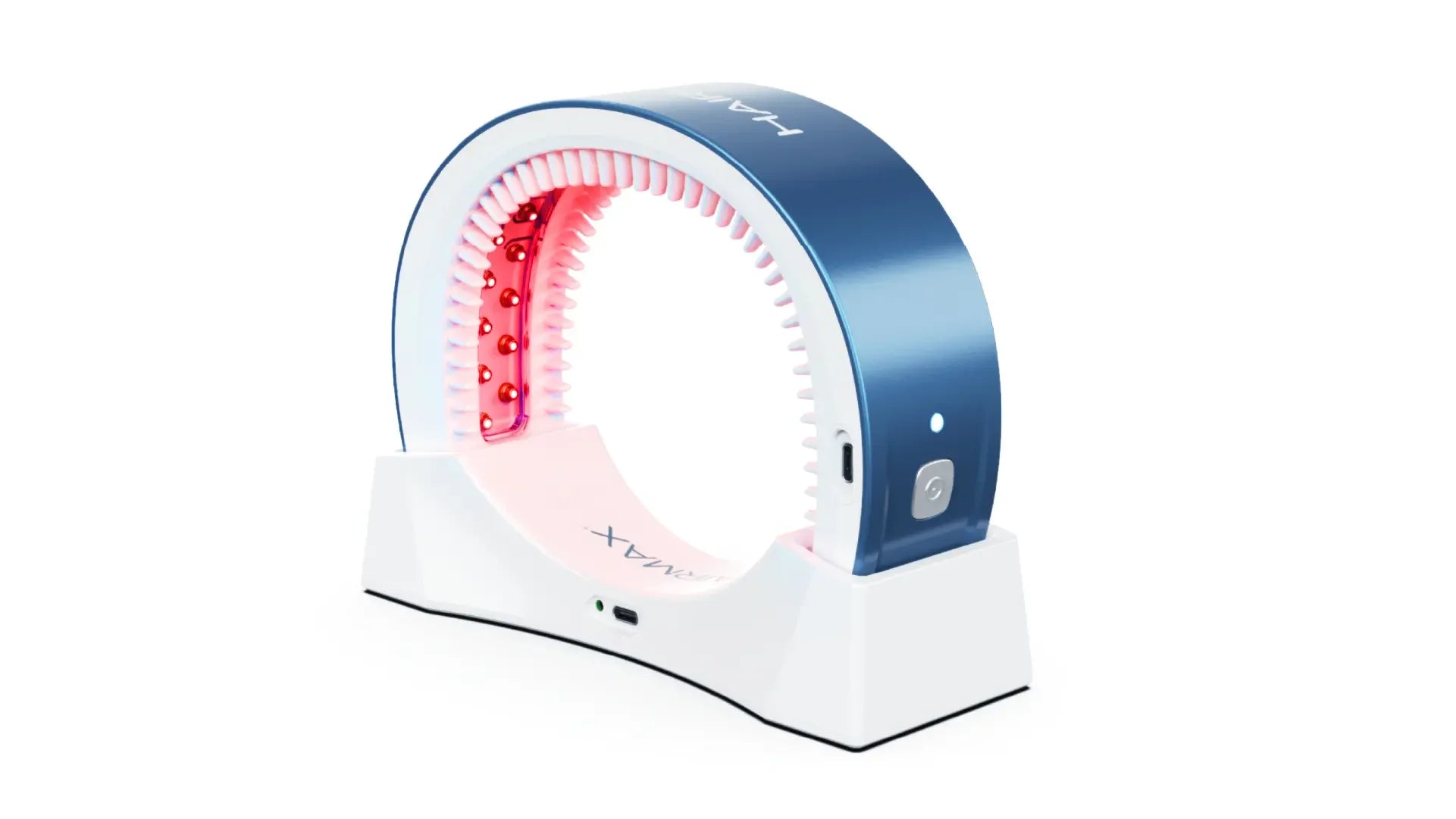
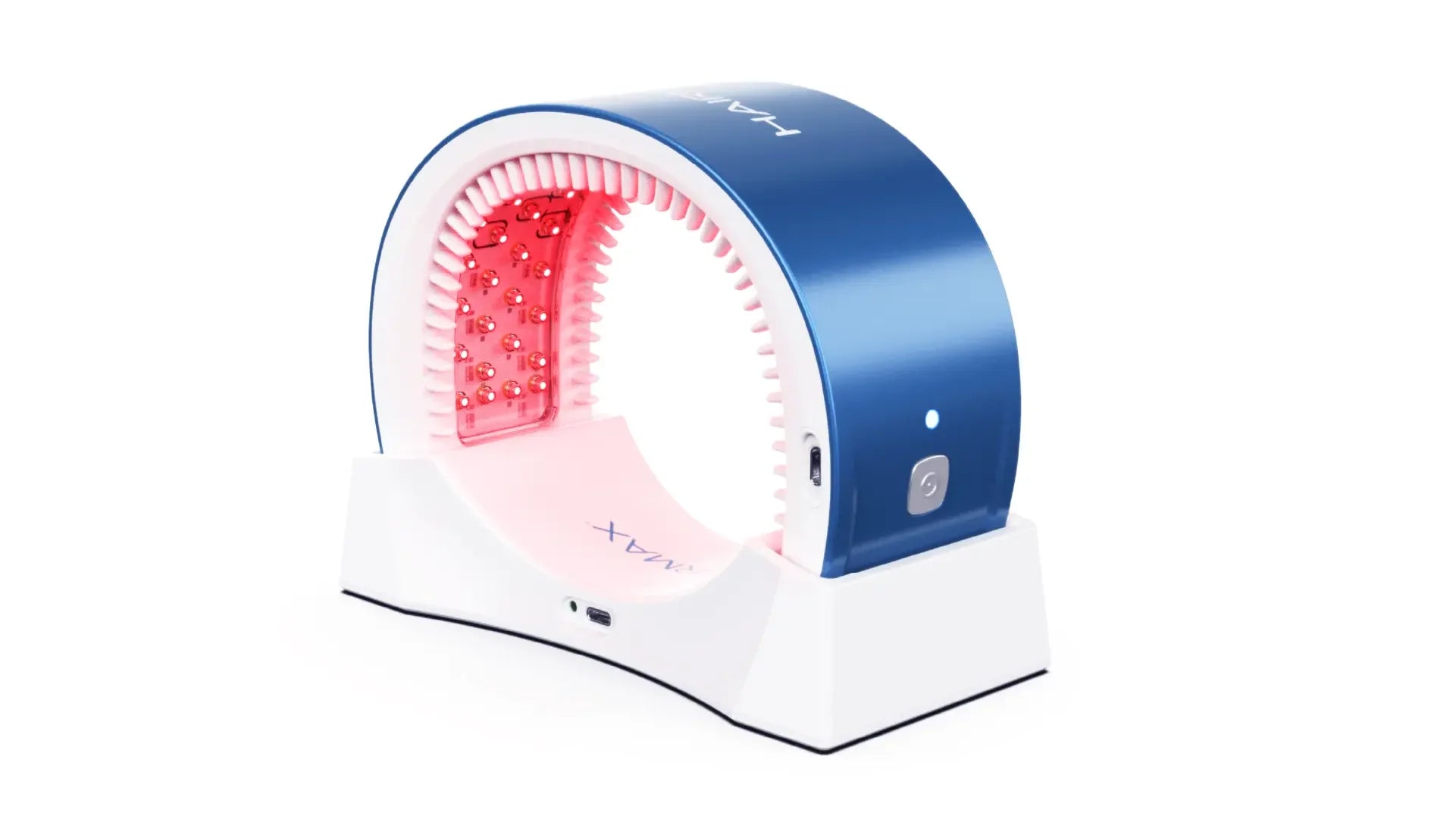
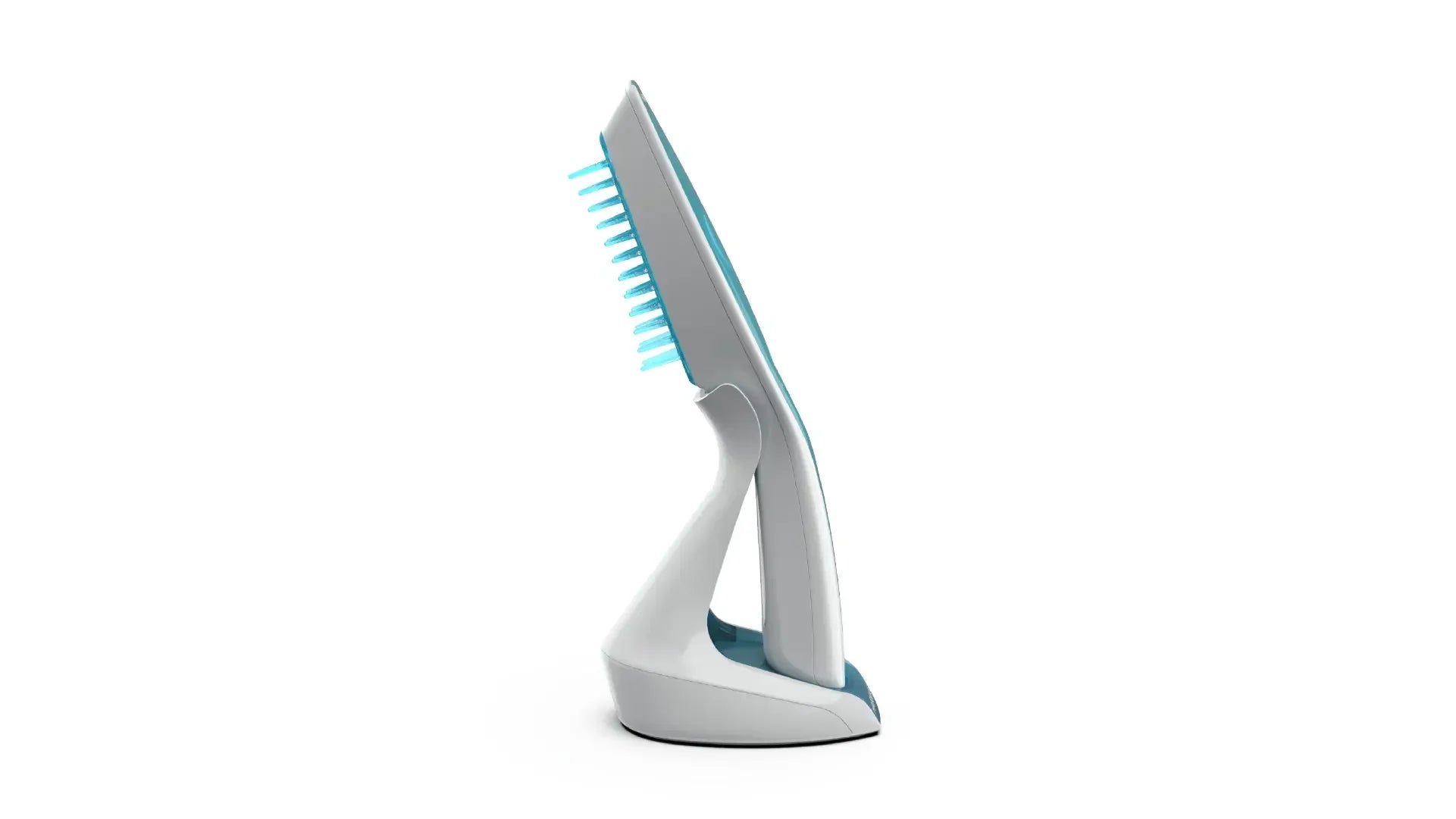
Delve into how LLLT hair growth laser works, a technology that stimulates hair follicles, reduces hair loss, and restores thinning hair caused by genetics, and get to know HairMax Laser.
If you are facing problems with thinning hair, hair loss, or genetic baldness, you may have come across the terms "hair growth laser" or "LLLT" and probably have a question in mind:
"Can simply shining light on the scalp really help hair grow back?"
This is a question many people wonder about, because when it comes to treating baldness, most people often think of medication, hair transplantation, or other procedures rather than laser light technology.
But in reality, Low-Level Laser Therapy (LLLT) technology has been used in medicine for decades, and there are numerous studies investigating its effects on tissue regeneration, reducing inflammation, and stimulating cell function, including hair follicle cells.
This article will help you understand how hair growth lasers work and why this technology has become another option for those looking to treat genetic baldness.
Before understanding how hair growth lasers work, we must first understand how genetic baldness occurs.
This condition is medically known as Androgenetic Alopecia, which is the number one cause of hair thinning in both men and women.
The main cause is the sensitivity of hair follicles to the hormone DHT (Dihydrotestosterone).
When hair follicles are continuously affected by DHT, a process called "Miniaturization" or follicle shrinkage occurs.
The results are:
Hair becomes thinner.
Hair becomes finer.
The hair growth cycle shortens.
Hair falls out more easily.
Hair roots progressively weaken.
If left untreated for a long time, hair follicles may eventually stop producing new hair.
LLLT stands for Low-Level Laser Therapy.
It involves using low-level laser light energy to stimulate cell activity in the body.
The important point is that this type of laser does not work by burning or creating heat like surgical lasers.
Instead, it delivers light energy at an appropriate level into cells to stimulate the body's natural biological processes.
Therefore, it is called Photobiomodulation, or regulating cell function with light energy.
Many people might think that laser light only stimulates the scalp externally.
But in reality, the important work happens at the cellular level.
When laser light of appropriate wavelength touches the scalp, energy is absorbed by mitochondria.
Mitochondria are like the power factories of cells.
Their main function is to produce ATP (Adenosine Triphosphate).
ATP is the energy source that cells use for all processes.
When cells receive more energy, hair follicles also have increased potential for activity.
One of the most important mechanisms of LLLT is the increased production of ATP within cells.
When hair follicles have more energy:
Cells can:
Repair themselves better.
Produce hair more efficiently.
Recover from weakness faster.
This is why many studies have found that hair follicles respond well to laser stimulation in individuals who still have existing hair follicles.
Hair follicles need oxygen and nutrients to produce new hair.
LLLT helps stimulate blood circulation in the scalp area.
When blood circulation improves:
Hair follicles will receive:
More oxygen.
More amino acids.
More essential vitamins and minerals.
This results in a more favorable environment around the hair follicles for hair growth.
The hair follicle area contains stem cells that are involved in producing new hair.
Several studies have found that LLLT can stimulate the activity of Keratinocyte Stem Cells and cells involved in the hair cycle.
When these cells are stimulated:
Hair follicles tend to enter the Anagen Phase faster.
Hair has a natural life cycle of 3 phases:
Growth phase
Transition phase
Resting and shedding phase
In individuals with genetic baldness, the Anagen phase is often shortened.
This results in less time for hair to grow.
LLLT helps promote hair follicles to stay in the Anagen phase longer.
Allowing hair to grow stronger and thicker.
Currently, scientific data indicates that chronic inflammation around hair follicles may be involved in genetic hair thinning.
LLLT has properties that support cell function and reduce inflammation at the tissue level.
Therefore, it helps create an environment more conducive to hair follicle function.
While there are many light devices for hair on the market,
The quality of the light source is important.
HairMax uses Medical Grade Laser.
Which is different from devices that only use general LED bulbs.
Advantages of Medical Grade Laser include:
Consistent energy intensity.
Precise energy delivery.
Effective access to hair follicles.
Designed specifically based on hair research.
One of the reasons HairMax is popular worldwide is that it is a brand with continuous clinical studies and tests on hair growth.
Several clinical studies have found that consistent use of LLLT lasers can help increase hair density and reduce hair loss in individuals with genetic hair thinning.
The key point is that these results come from continuous use as recommended, and in individuals who still have existing hair follicles.
Hair restoration takes time because hair has a natural life cycle.
Generally, users usually start to notice changes as follows:
Reduced hair loss.
Healthier scalp.
New hair growth begins.
Hair appears thicker.
Improved hair density.
Stronger hair.
Hair appears naturally fuller.
Hair growth lasers do not use heat or tissue destruction, but rather scientific principles known as Low-Level Laser Therapy (LLLT) to stimulate hair follicle cells at a deep level.
Through important mechanisms such as increasing ATP energy, stimulating blood circulation, helping hair follicles enter the growth phase, and creating an environment conducive to hair growth.
For those facing problems with thinning hair or genetic baldness and seeking a non-surgical, painless, and at-home treatment option, HairMax Laser is one of the technologies developed based on research and scientific principles to help care for hair follicles precisely and continuously.


