Cart
0
You may also like
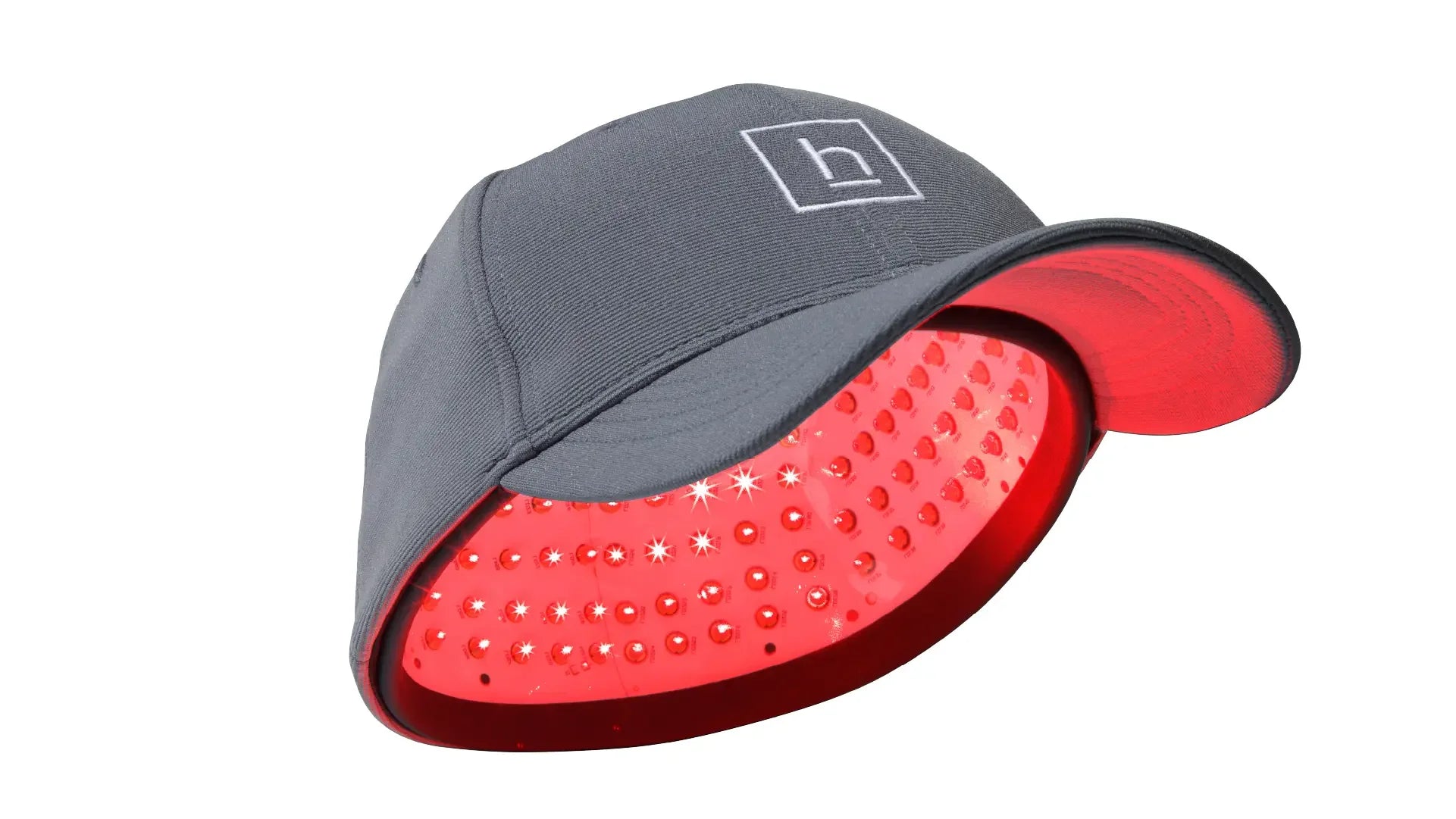
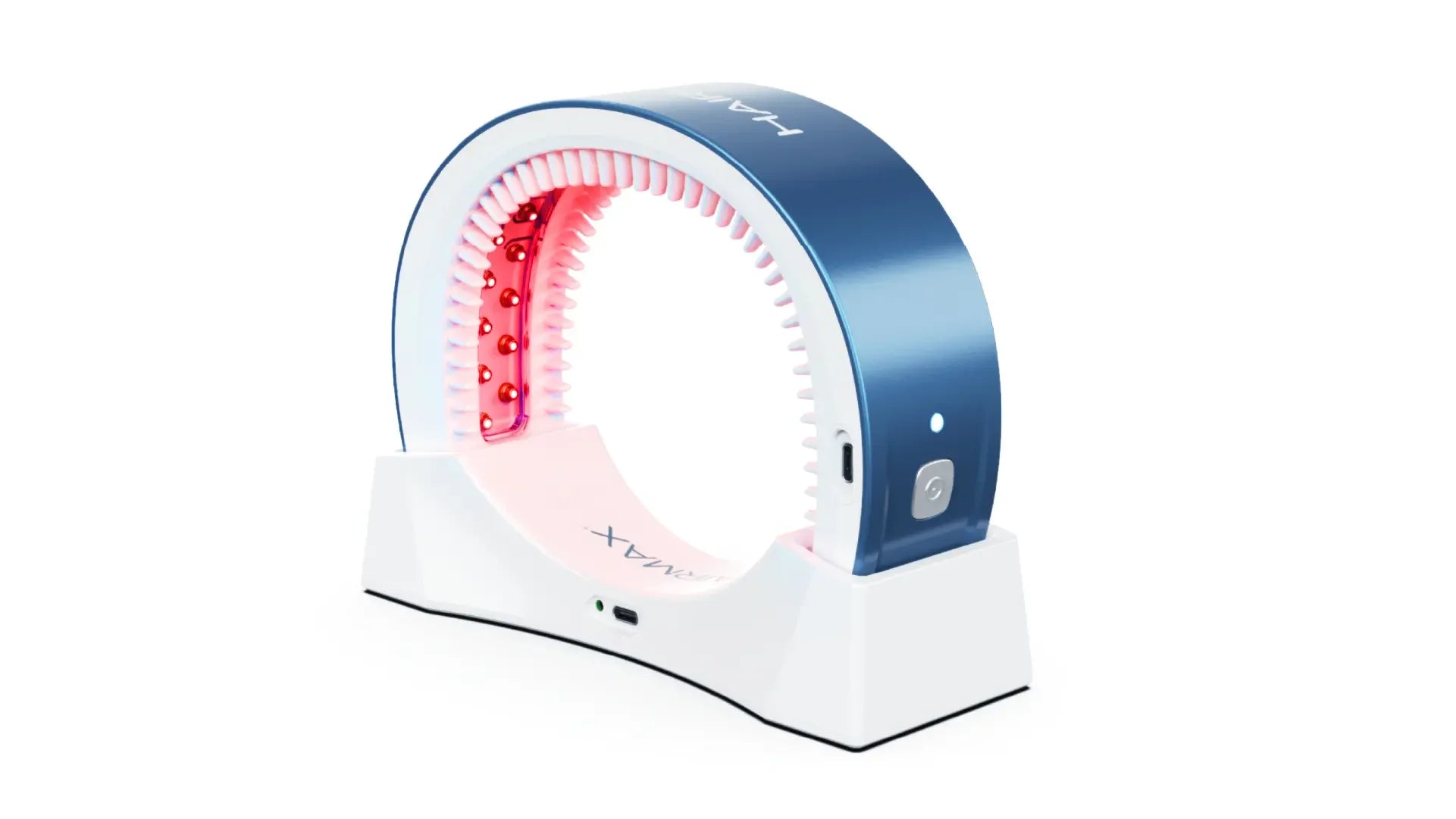
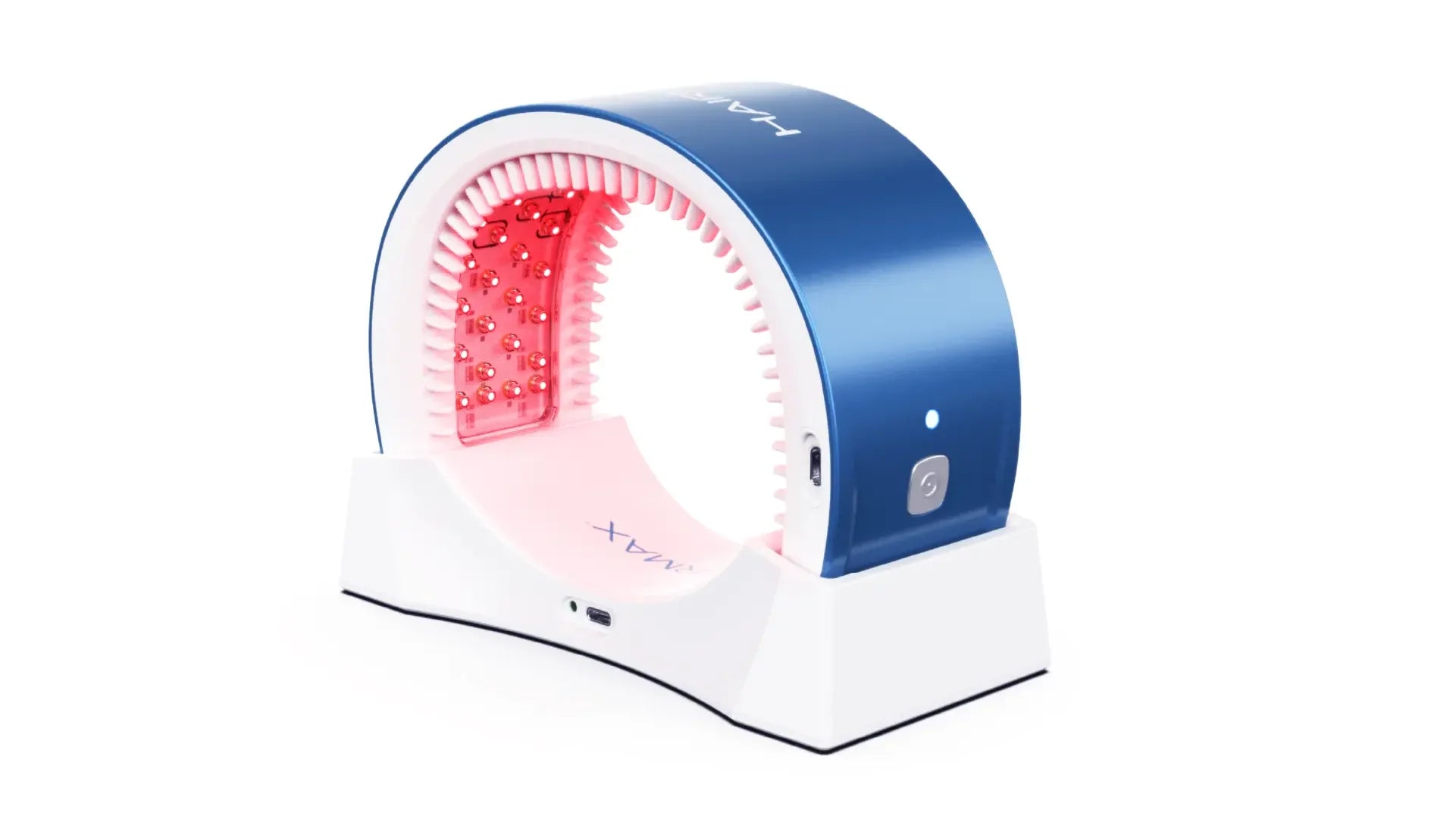
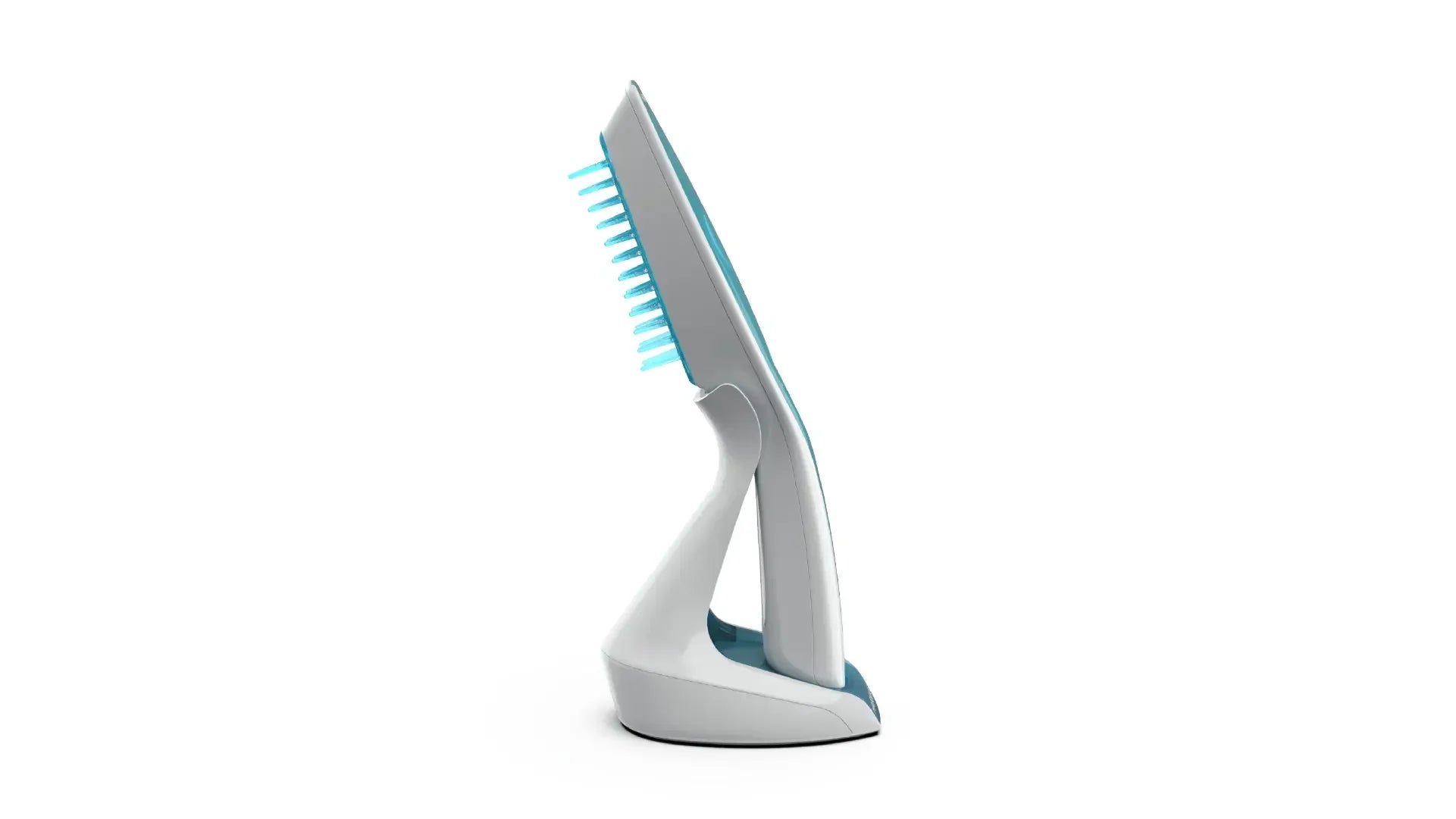


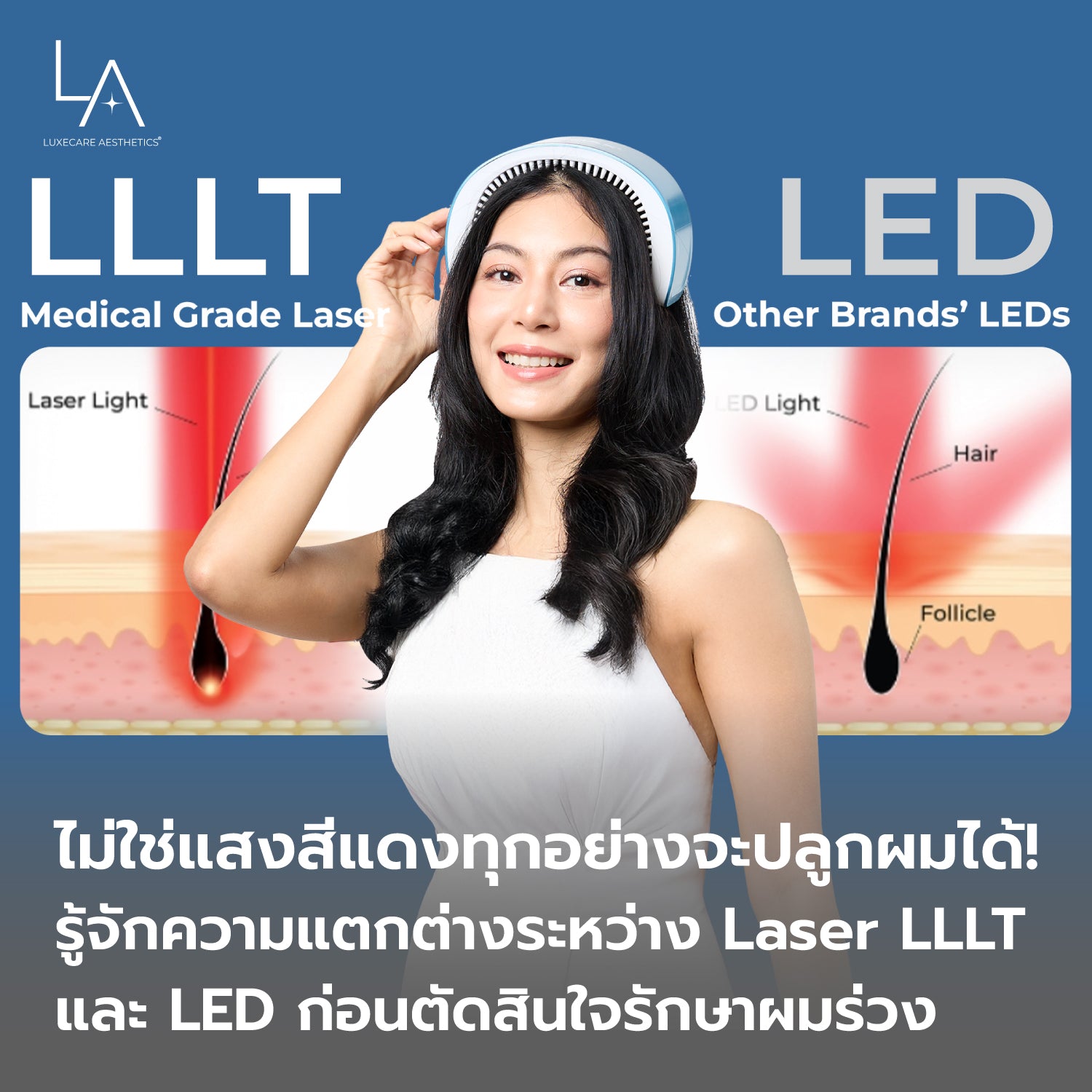
Not all red light can grow hair! Comparing Laser vs. LED for Hair Loss Treatment
A deep dive into the differences between laser light, LED light, and LLLT technology. Why some red light devices can stimulate hair follicles while others might not deliver the expected results.
In recent years, red light technology has gained significant popularity in the health and beauty industry.
Whether it's skincare devices, LED masks, muscle recovery equipment, or even products for treating hair loss and baldness.
When consumers start searching for "laser hair growth," they often find numerous products advertised as using "red light."
This leads to questions like:
"If all devices use red light, why is there such a big difference in price?"
"Are LED and Laser really different?"
"Do all red light devices help with hair growth equally?"
The short answer is:
Not all types of red light will yield the same results in stimulating hair follicles.
Because what's important is not just the color of the light, but also the type of light source, wavelength, energy intensity, precision of energy delivery, and supporting research.
This article will help you understand the differences between LED and Laser, as well as why LLLT technology has become a popular option for treating hair loss and hereditary baldness.
Red light is part of the visible light spectrum.
It generally falls within the range of approximately 620-700 nanometers.
In the medical and health fields, studies have shown that light in certain wavelength ranges can affect cell function.
This led to the development of the field called
Photobiomodulation
or the use of light energy to stimulate biological processes in cells.
However,
even if it's red light,
it doesn't mean all light sources work the same way.
Many people believe that
"just having red light will help hair grow."
But scientifically, the truth is much more complex.
Let's use a simple comparison:
Cars and motorcycles both have wheels,
but that doesn't mean they have the same performance.
The same applies to red light;
even if it looks the same color,
its physical properties and biological effects can differ significantly.
LED, or Light Emitting Diode,
is a common light source.
Its advantages include:
Affordable
Easy to manufacture
Low power consumption
Can be installed in large quantities
LEDs can also emit red light.
However, the light emitted tends to diffuse in many directions.
The energy is not concentrated into a clear beam.
This can result in lower energy intensity delivered to the target.
Laser stands for
Light Amplification by Stimulated Emission of Radiation.
Its key feature is that
the light is highly organized,
has a clear direction,
and can deliver energy precisely to the target.
In medicine, lasers are used in various fields, such as:
Ophthalmology
Dermatology
Dentistry
Rehabilitation medicine
Hair loss treatment
This is because lasers can control energy more precisely than general light systems.
Light disperses in multiple directions.
Energy spreads over a wide area.
Light is concentrated into a beam.
Delivers energy more directly to the target.
Energy intensity may vary at different points.
Provides more consistent energy.
Helps stimulate hair follicles with greater precision.
Much of the research on hair loss treatment cited in the medical field
studies devices that use
Low-Level Laser Therapy (LLLT),
not just general red light.
This is why experts often prioritize the type of light source over simply looking at the color of the light.
LLLT, or Low-Level Laser Therapy,
involves using low-power lasers to stimulate cell function.
Unlike surgical lasers that use high power and generate heat,
LLLT does not damage tissue,
but rather works at the cellular level through a process called Photobiomodulation.
When laser light penetrates the scalp,
the energy is absorbed by mitochondria,
which are the powerhouses of cells.
This results in:
ATP is the primary energy source used by cells.
When hair follicles have more energy,
cells can function better.
Helps hair follicles receive more oxygen and nutrients.
Helps weak hair follicles resume better function.
Results in hair having a greater chance to grow longer and stronger.
One of the most common questions is:
If LED also emits red light,
why does HairMax choose to use medical-grade laser?
The answer is that
HairMax is specifically designed based on the principles of Low-Level Laser Therapy,
therefore, it uses
instead of general LED.
This ensures that energy can be delivered to the hair follicles precisely and consistently.
Key features of HairMax include:
Uses medical-grade laser.
Wavelength of 655 nanometers.
Designed specifically for hair follicle stimulation.
Can be used at home.
Suitable for individuals with thinning hair and hereditary baldness.
Hair restoration takes time because the hair growth cycle does not change immediately.
Typically, users observe the following changes:
Reduced hair loss.
Healthier-looking scalp.
New hair growth begins.
Hair appears denser.
Hair becomes stronger.
Increased hair density.
Hair looks naturally fuller.
Before investing in a hair loss treatment device, consider:
Does it use Laser or LED?
Is it backed by research?
Is it designed specifically for hair loss treatment?
Is it used in medical practice?
Are there real user results available?
Because ultimately, what matters is not just "red light,"
but the quality of the energy delivered to the hair follicles.
Although many devices use red light, they do not necessarily yield the same results for hair loss treatment.
The key differences lie in the type of light source, energy precision, and supporting scientific evidence.
Low-Level Laser Therapy (LLLT) technology has been developed to stimulate hair follicle activity at the cellular level, using low-power lasers specifically designed for this purpose.
For those seeking solutions for hair loss or hereditary baldness, choosing a device that uses a Medical Grade Laser, such as HairMax Laser, is an important factor to consider. This ensures that hair care is based on scientific principles, not just the visible color of the light.


