Cart
0
You may also like


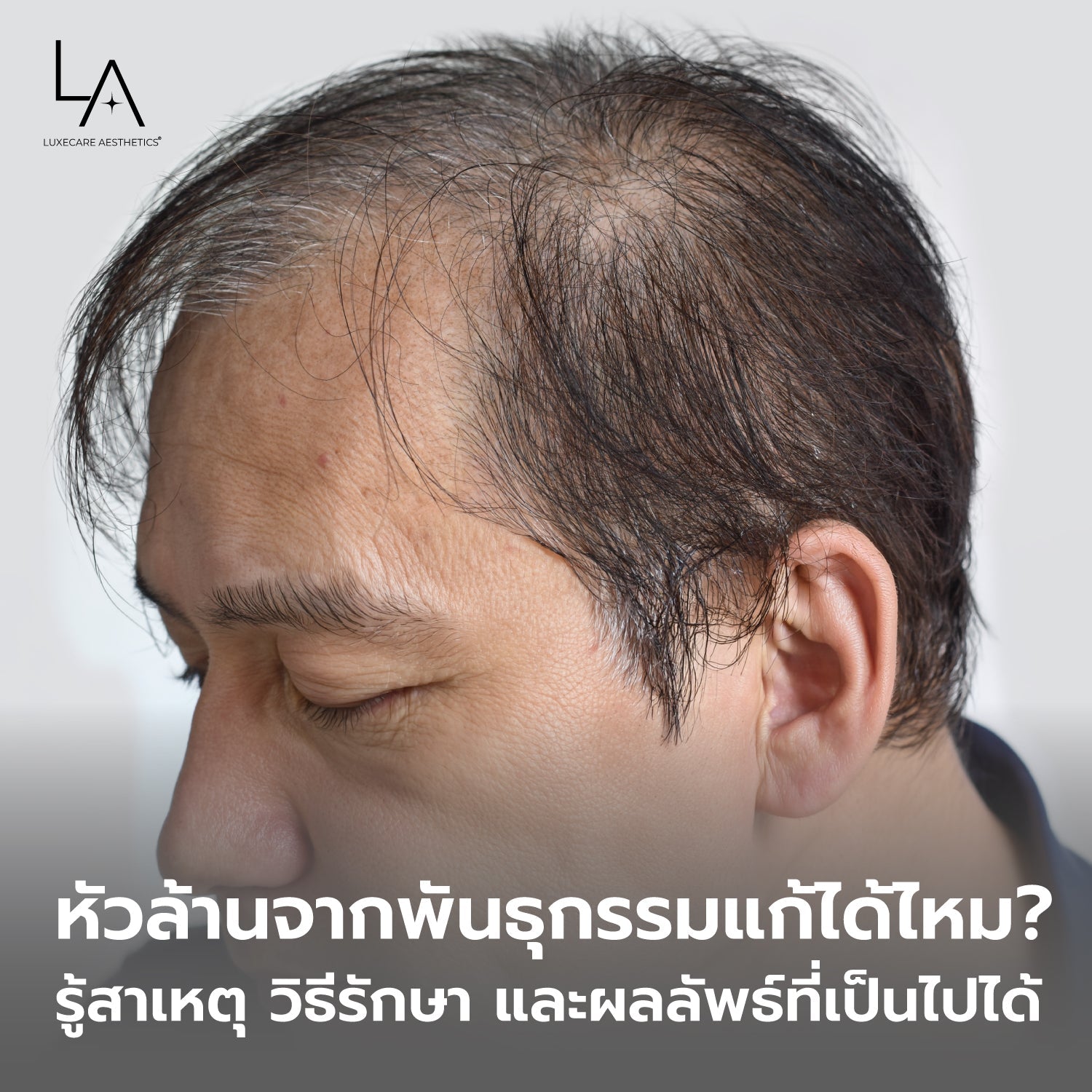
Can hereditary baldness be cured? Treatment methods and hair root restoration technology
Hereditary baldness is not something you have to give up on. Learn about its causes, treatment methods, and LLLT technology that stimulates hair roots and precisely restores thinning hair.
When you start to notice thinning hair, a receding hairline, or your scalp becoming more visible than before, many people often ask the same question:
"If I have hereditary baldness, can it really be treated?"
The belief that hereditary baldness is unavoidable leads many to let the problem worsen until their hair becomes increasingly thin. However, in reality, current science and medical technology offer more options than many people realize for slowing down, restoring, and stimulating hair root function.
The key is to understand the root cause of the problem and start treatment while the hair roots are still alive.
Hereditary baldness, or Androgenetic Alopecia, is the most common cause of hair thinning and hair loss worldwide.
It can occur in both men and women and is related to genetics and the hair follicles' response to the hormone DHT (Dihydrotestosterone).
The hormone DHT is formed from the conversion of testosterone within the body.
For individuals who are sensitive to DHT, hair follicles gradually shrink, becoming smaller and smaller.
This results in:
Thinner hair
Shorter hair
Easier hair loss
Shorter hair growth cycle
Weakened hair roots
Over time, the hair roots may eventually stop producing new hair.
Symptoms often begin with:
Receding hairline
Wider forehead
Thinning hair at the crown
Baldness on the top of the head
Symptoms gradually worsen with age.
Typically characterized by:
Thinning hair at the crown
Widening part
Overall reduction in hair volume on the scalp
The frontal hairline usually remains intact.
The answer is:
"It can be treated to a certain extent, if the hair roots are still alive."
What many people misunderstand is thinking that baldness happens suddenly.
But in reality, this process takes many years.
In the initial stages, the hair roots are still present, but they are less active.
The new hair that grows back becomes progressively smaller.
If treatment begins during this phase, there is still a chance to stimulate the hair roots to function better.
However, if the hair roots atrophy and disappear completely, restoration becomes much more difficult.
Therefore, starting treatment early is the most crucial factor.
Certain medications can help extend the hair growth phase and improve hair root function.
However, they must be used continuously and under the guidance of a doctor.
Suitable for individuals with hereditary hair thinning.
The goal is to reduce the impact of DHT hormone on hair follicles.
Should be evaluated by a doctor before use.
This method helps increase the number of hairs in areas where hair roots have already been lost.
It is suitable for individuals with hair thinning or baldness to a degree where original hair roots cannot recover.
The advantage is a relatively clear outcome.
However, it is costly and is a procedure that requires recovery time.
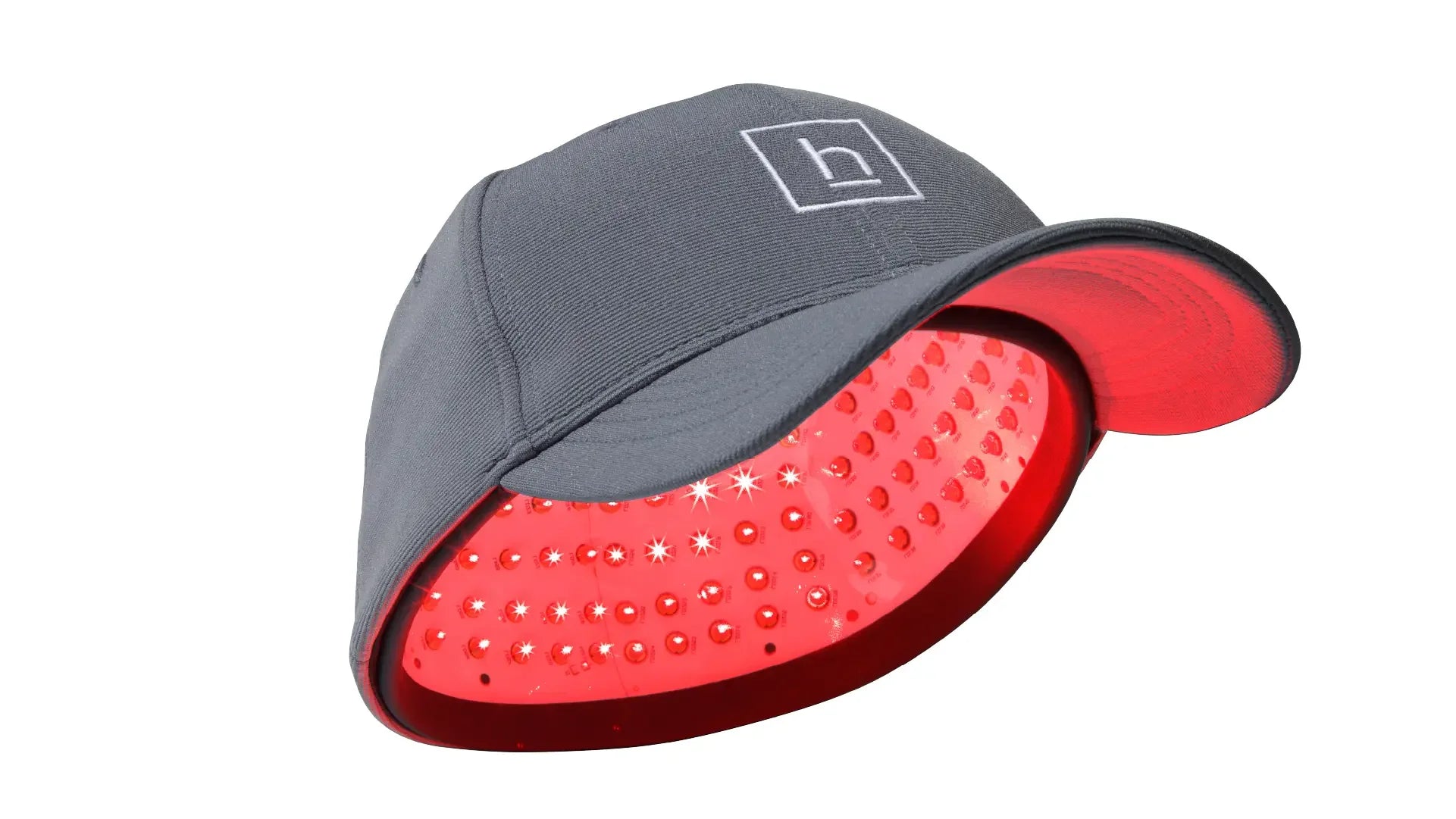
Currently, Low-Level Laser Therapy, or LLLT, is considered one of the most highly regarded technologies in hair restoration.
Because it stimulates hair roots without surgery,
it is painless,
and requires no recovery time.
LLLT, or Low-Level Laser Therapy, uses low-level laser light energy to stimulate cell function.
This technology has been used in medicine for decades and has been applied to treat hair loss and hereditary hair thinning.
When laser light enters the scalp,
the energy is absorbed by mitochondria, which are the powerhouses of cells.
This leads to increased ATP production.
ATP is like the fuel for cells.
When hair root cells have more energy, they can function better.
Helps energize weak hair root cells.
Helps hair roots receive more oxygen and nutrients.
Promotes the function of cells involved in hair production.
or the hair growth phase.
Allows hair to grow for a longer period.
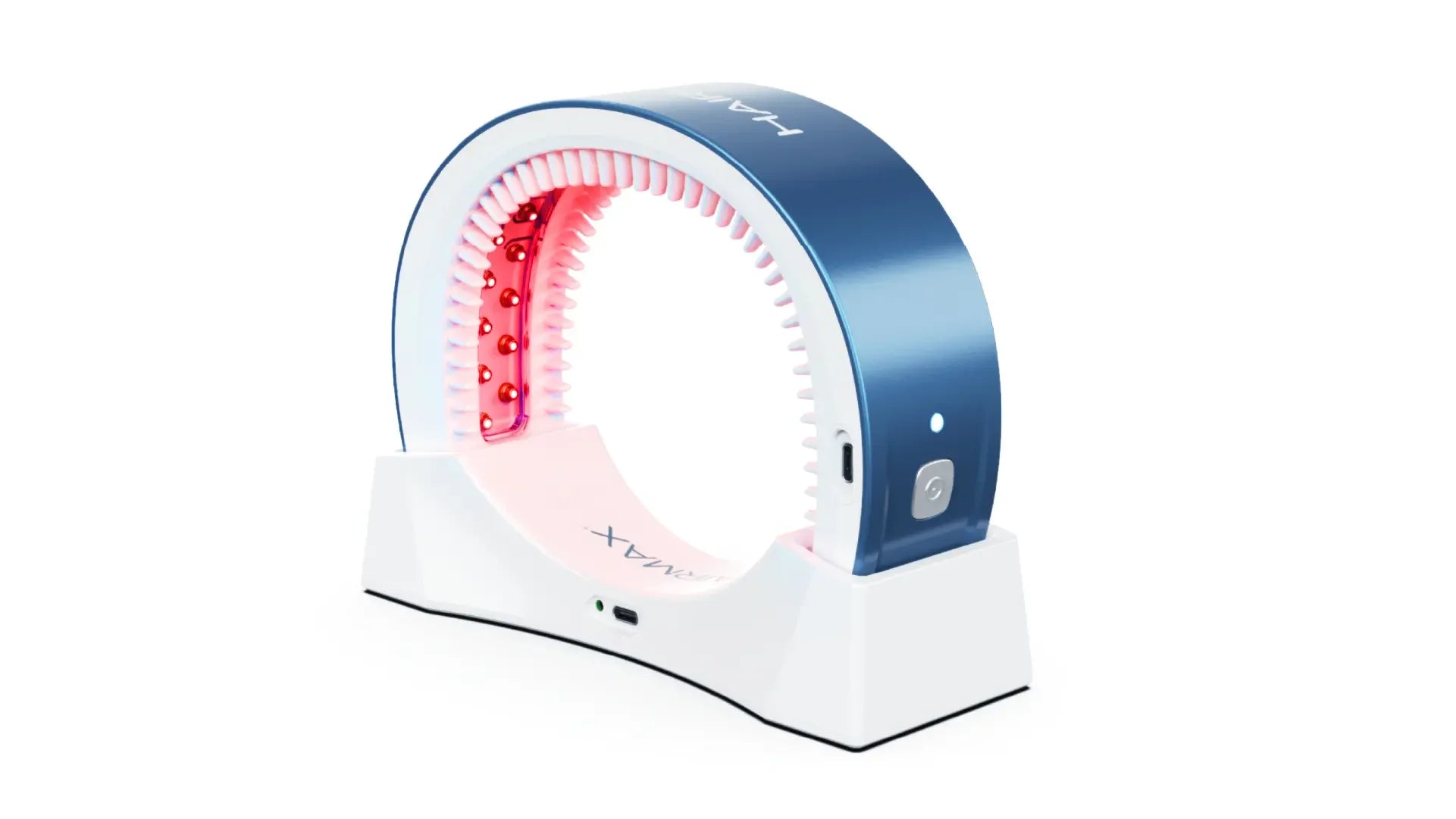
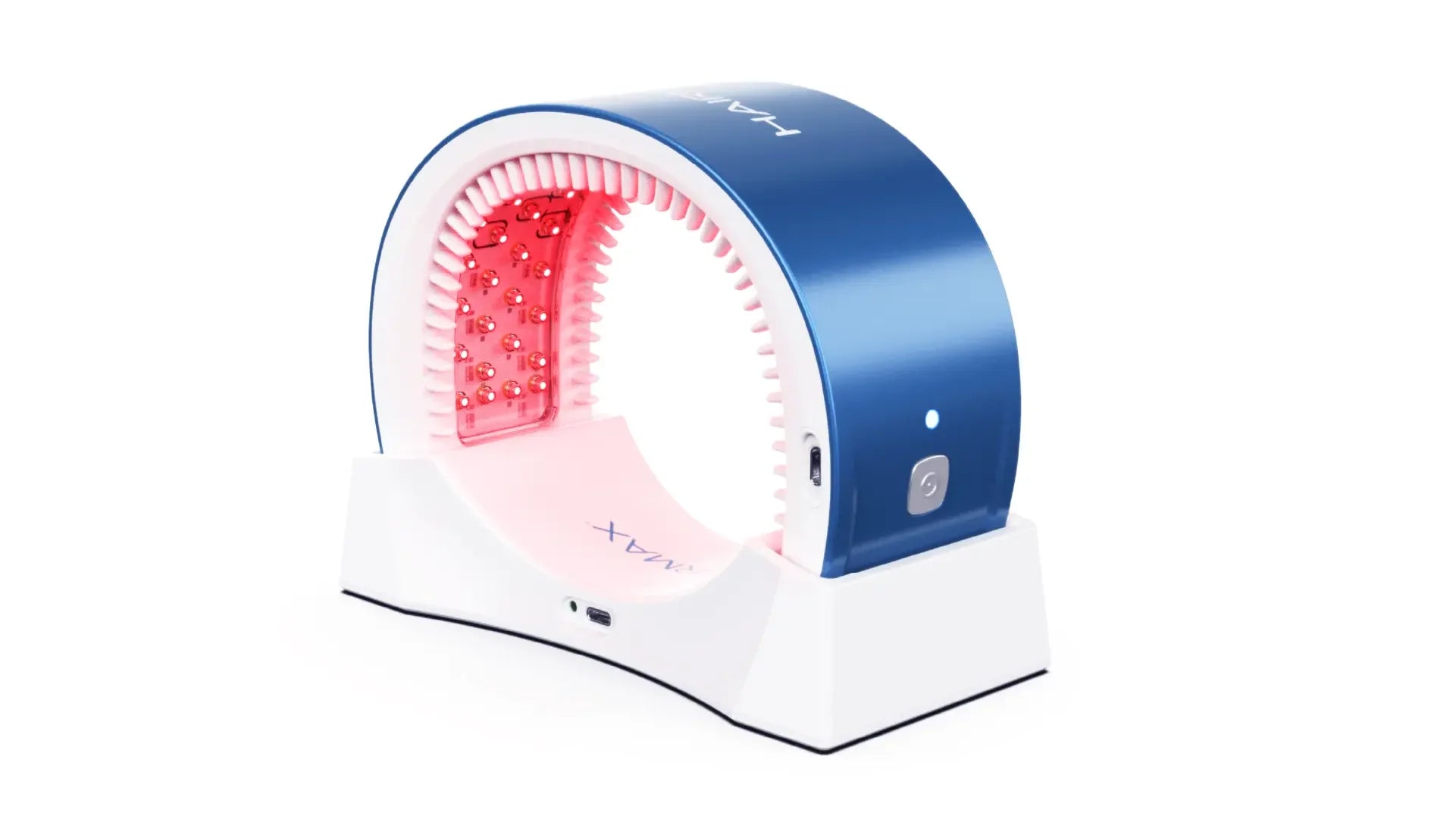
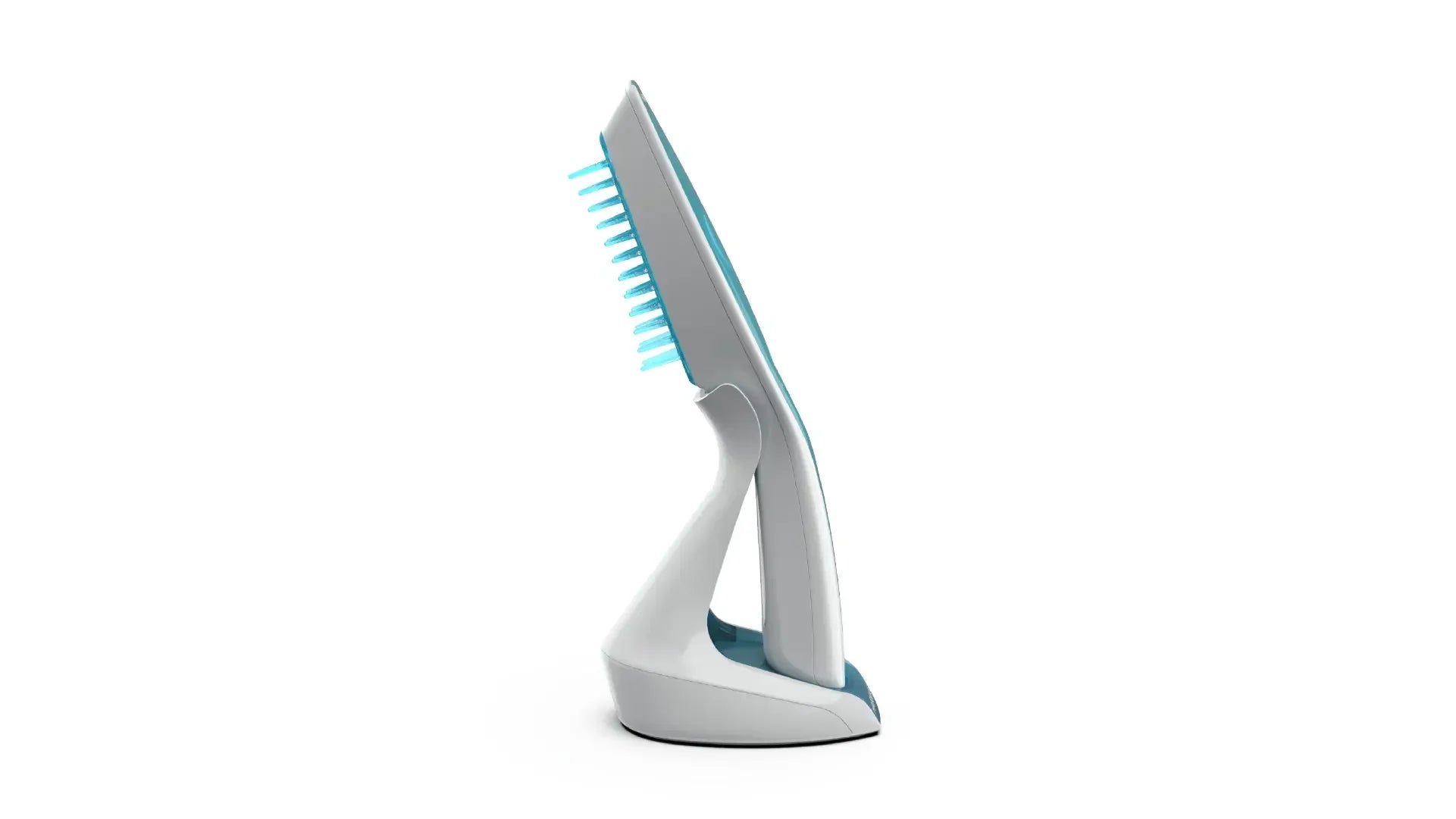
HairMax is one of the leading brands in laser hair growth technology developed specifically for hair restoration.
Its key feature is the use of a Medical Grade Laser with a wavelength of 655 nanometers.
This specific wavelength is designed to deliver energy directly to the hair roots.
HairMax is designed for at-home use,
making it suitable for individuals who wish to consistently care for their hair without frequent clinic visits.
Many users typically observe changes in the following sequence:
Reduced hair loss
Healthier-looking scalp
New hair growth begins
Improved hair density
Stronger hair
Fuller-looking hair
Continued increase in hair volume
Results vary per individual, depending on the stage of the problem, age, genetics, and consistency of use.
HairMax is suitable for:
Individuals experiencing hereditary hair thinning
Those with a receding hairline
Individuals with chronic hair loss
Women experiencing hair thinning
Those seeking preventive hair care
Individuals who wish to enhance results after hair transplantation
Hereditary baldness is no longer a problem that must be accepted without options.
While genetics cannot be changed, the progression of the condition can be slowed, and hair root function can be restored if care begins in the early stages.
Currently, there are various methods to treat hereditary baldness, including medication, hair transplantation, or LLLT hair growth laser technology.
For those seeking a non-surgical, painless, and at-home option, HairMax Laser is one technology that scientifically stimulates hair roots and supports hair growth.
The sooner you start treatment, the greater the chance of preserving hair roots and maintaining hair density.


